
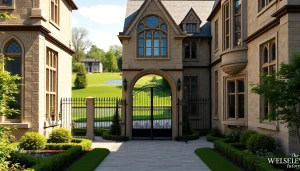
Understanding the Wellesley Tudor Expansion
What is the Wellesley Tudor Expansion?
The Wellesley Tudor Expansion presents a unique opportunity to blend classic architectural intricacies with modern living standards. This expansion not only enhances the physical space of a home but also amplifies its aesthetic appeal. The project involves a thoughtful extension of a traditional Tudor-style residence, ensuring that the integration feels seamless while remaining true to the hallmark features of Tudor architecture. By mapping out this expansion, homeowners can enjoy increased functionality and value while staying rooted in historical beauty. A detailed understanding of the features makes this project particularly enriching; visit the Wellesley Tudor Expansion to explore design inspirations.
Key Architectural Features Mentioned
Central to the character of the Wellesley Tudor Expansion are several architectural features that echo the Tudor style. These include:
- Steeply pitched roofs, often adorned with decorative gables that add to the visual dynamism of the roofline.
- Half-timbering, which provides texture and warmth to the walls, traditionally painted in earthy tones that harmonize with natural surroundings.
- Narrow, leaded windows that enhance both functionality and charm, allowing natural light to flood the interior while adding to the historic essence.
- Brick and stone detailing that reinforces structural integrity while contributing to the home’s rustic charm.
Historical Context of Tudor Architecture
Tudor architecture emerged in England during the late Middle Ages and is often recognized for its distinctive blend of medieval and Renaissance influences. Characterized by its intricate designs and craftsmanship, Tudor homes were initially designed as manorial estates for the gentry. This architectural style emphasizes asymmetry and vertical lines, as seen in gently sloping roofs and decorative timber framing. Understanding the historical context helps in making informed decisions during the Wellesley Tudor Expansion, ensuring that contemporary additions pay homage to these rich architectural traditions.
Design Considerations for the Wellesley Tudor Expansion
Landscaping Ideas that Compliment the Design
Integrating appropriate landscaping is vital to complement the refined architecture of the Wellesley Tudor Expansion. Here are some ideas to enhance the outdoor living experience:
- Structured hedges and period-appropriate shrubbery that echo the lines of the home and create natural borders.
- Traditional English gardens featuring an abundance of flowering plants arranged harmoniously to evoke a timeless appeal.
- Natural stone pathways leading to doorways or patios, reinforcing the connection between the built environment and nature.
- Water features, such as small ponds or fountains, can add visual interest and promote tranquility in outdoor spaces.
Materials and Textures to Use
The choice of materials is crucial for ensuring that any expansion remains true to the aesthetic of the Tudor period. Prioritizing high-quality, durable materials that age gracefully will achieve a cohesive look. Consider using:
- Authentic or reproduction timber beams to incorporate half-timbering without compromising structural integrity.
- Natural slate or tile for roofing to replicate traditional materials that provide longevity and character.
- Brick and stone sourced from local quarries to maintain an earthy palette that marries with the surrounding landscape.
- Modern yet classic fixtures such as wrought iron railings or lantern-style lighting that echo the historical theme.
Balancing Modern Needs with Traditional Aesthetics
While aiming to honor the rich history of Tudor architecture, modern needs cannot be overlooked. Striking a balance requires a nuanced approach to design:
- Open-plan layouts can be adapted in a way that maintains structural integrity while catering to contemporary lifestyles.
- Incorporating modern technology (like smart home systems) discreetly ensures that they don’t detract from the home’s aesthetic.
- Energy-efficient windows that mimic traditional designs can enhance comfort without sacrificing style.
- Using versatile spaces may provide functionality; for instance, a sunroom can serve both as a casual family space and a formal entertaining area.
Benefits of the Wellesley Tudor Expansion
Increased Property Value
Investing in the Wellesley Tudor Expansion can significantly enhance property value. By increasing square footage and improving curb appeal through timeless architectural enhancements, homeowners can expect a remarkable return on investment. Properties that feature classic designs like the Tudor style are often in high demand, drawing appreciation for their historical context and unique aesthetics.
Enhanced Energy Efficiency Options
The expansion offers opportunities to increase energy efficiency, integrating modern solutions without overshadowing the authentic design. This might include high-performance insulation materials, energy-efficient windows, and contemporary HVAC systems that maintain comfort year-round while minimizing energy usage. These upgrades will not only save on utility costs but also contribute to sustainable living practices.
Improved Living Space Functionality
One of the primary advantages of the Wellesley Tudor Expansion is the improvement of living space functionality. By adding rooms or reimagining existing ones, homeowners can create areas tailored to their lifestyle—be it a spacious kitchen, additional bedrooms, or a versatile home office. These enhancements ultimately lead to a more enjoyable and efficient living experience for the entire family.
Common Challenges in the Wellesley Tudor Expansion
Budgeting for High-Quality Materials
One of the pressing challenges homeowners may face is budgeting for high-quality materials that align with Tudor architecture. Ensuring a balance between aesthetics and cost can require thorough planning. Prospective homeowners should:
- Conduct extensive research to find suppliers offering quality materials without inflated costs.
- Consider sourcing reclaimed materials that can provide authenticity while being more affordable.
- Allocate a contingency fund for unexpected expenses to mitigate budget overruns.
Navigating Local Building Regulations
Navigating local building regulations can pose a significant challenge during the Wellesley Tudor Expansion. Homeowners must ensure that their plans comply with zoning laws, historical preservation guidelines, and building codes. To assist with this process:
- Engage with local planning authorities early in the project to clarify specific requirements and obtain necessary permits.
- Work closely with a knowledgeable architect or contractor familiar with Tudor renovations to avoid potential pitfalls.
- Review past successful expansions in the area to understand community standards and expectations.
Choosing the Right Contractor
Selecting the right contractor is crucial to the success of the Wellesley Tudor Expansion. Homeowners should take into consideration various factors:
- Seek contractors with experience in historical architecture and expansions similar to the Tudor style.
- Request detailed references and portfolios showcasing prior projects that reflect an understanding of both the historical and practical aspects of design.
- Ensure open lines of communication to keep all parties aligned throughout the construction process.
FAQs about the Wellesley Tudor Expansion
What are the key features of Tudor architecture?
Tudor architecture features steeply pitched roofs, decorative half-timbering, and tall, narrow windows. These elements create a historic and inviting aesthetic.
How does the Wellesley Tudor Expansion improve home value?
Home expansions like the Wellesley Tudor often increase property value by adding square footage and enhancing curb appeal through timeless architectural styles.
What landscaping works best with Tudor-style homes?
Traditional gardens with structured hedges, flowering plants, and stone pathways enhance the Wellesley Tudor Expansion, complementing its classic style.
Are there energy-efficient options for Tudor homes?
Yes, incorporating modern insulation, energy-efficient windows, and sustainable materials can improve the energy efficiency of a Wellesley Tudor Expansion.
What should I consider when hiring a contractor for my expansion?
Look for contractors experienced in historical architecture, check references, and ensure they understand the unique requirements of projects like the Wellesley Tudor Expansion.