Understanding Water Lilies: Types and Characteristics
Water lilies are enchanting aquatic plants that have captivated enthusiasts and casual observers alike for centuries. Their broad, floating leaves and stunning flowers not only enhance the aesthetic of ponds and water features but also play a crucial role in aquatic ecosystems. When it comes to selecting the right water lily for your pond, it’s essential to consider both the plant’s characteristics and the specific conditions of your water garden. As you navigate this journey, you can Buy Water Lilies tailored to your pond’s needs.
What are Water Lilies?
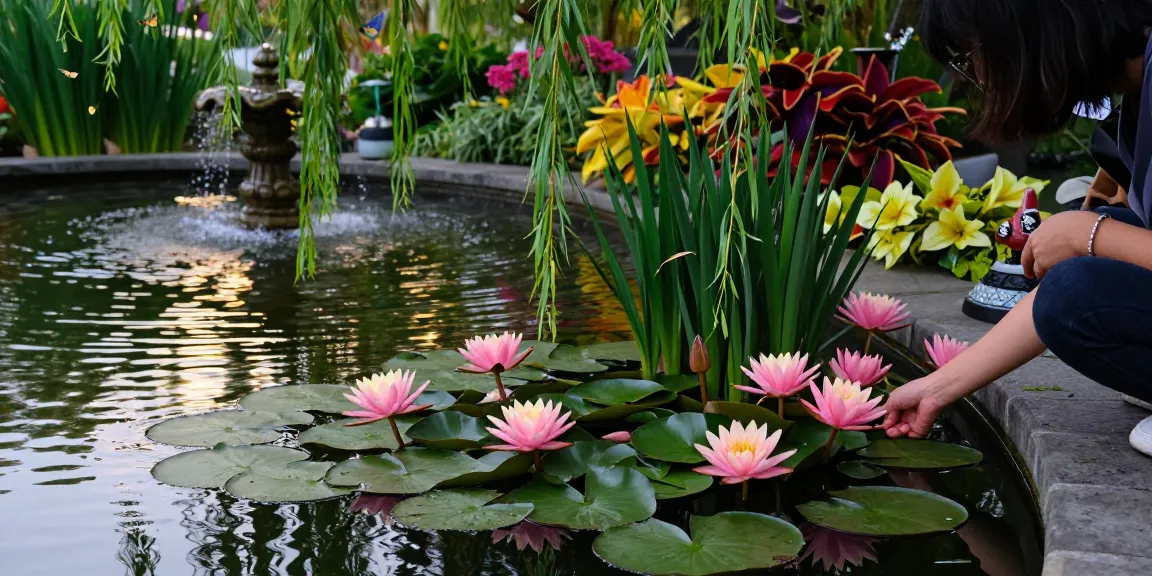
Water lilies, belonging to the family Nymphaeaceae, are perennial aquatic plants that thrive in freshwater habitats. They are characterized by their floating leaves, which can range widely in size and shape, and their beautiful blooms that can vary from white to pink, yellow, and even blue. These plants grow in water ranging from a few inches to several feet deep and are rooted in the mud at the bottom of the water body. Water lilies come in two main types: hardy and tropical, each possessing distinct growth habits and ideal conditions.
Common Varieties of Water Lilies
There are numerous species and hybrids of water lilies, but some of the most common include:
- Nymphaea odorata (American White Water Lily): Known for its fragrant white blooms and broad leaves, it is ideal for temperate regions.
- Nymphaea tuberosa: This cultivar is smaller, making it suitable for smaller ponds and containers.
- Nymphaea ‘Perry’s Fire Opal’: A popular hybrid with stunning apricot blooms that thrive in sunny conditions.
- Nymphaea ‘Blue Star’: Notable for its striking blue flowers, this variety adds a vibrant color to any water garden.
Choosing the Right Water Lily for Your Pond
Selecting the right water lily involves more than just aesthetics; considerations such as climate, pond size, and the amount of sunlight your pond receives are crucial. Hardy varieties are well-suited for northern climates and can survive winter temperatures, while tropical varieties require warmer conditions and a longer growing season. Before purchasing, assess your pond’s depth and exposure to determine which type will thrive best.
Benefits of Adding Water Lilies to Your Pond
Enhancing Aesthetic Appeal
Water lilies are often considered the crown jewel of water gardens. Their large, colorful flowers create a serene and inviting atmosphere, acting as a focal point that draws the eye. Whether you opt for a single standout plant or a cluster of varieties, water lilies can transform the look of your pond, adding layers of beauty and tranquility.
Environmental Benefits of Water Lilies
Beyond their beauty, water lilies offer substantial environmental benefits. They provide shade, which helps keep the water cool and reduces the growth of algae. Their leaves also support beneficial microorganisms, creating an ideal habitat for aquatic life. Additionally, they help oxygenate the water while absorbing excess nutrients, contributing to a balanced ecosystem.
Water Lilies and Wildlife Attraction
Water lilies attract various wildlife, from pollinators like bees and butterflies to fishes and amphibians. The flowers serve as a crucial food source for many insects, while the structure of the plants provides shelter and breeding grounds for fish and frogs. By introducing water lilies into your pond, you are actively supporting local biodiversity.
How to Buy Water Lilies: Tips and Considerations
Where to Purchase Quality Water Lilies
When looking to buy water lilies, it’s essential to source them from reputable nurseries or specialized aquatic plant retailers. These sources often offer a wider selection of healthy plants suited for your specific pond environment. Online shops also provide convenient options to discover quality water lilies from the comfort of your home.
What to Look for When Buying Water Lilies
When purchasing water lilies, ensure that you select robust and healthy specimens. Look for vibrant leaves without signs of yellowing or damage. A healthy water lily should have a strong root system and multiple buds, indicating its vitality and potential for growth. If possible, inquire about the plant’s maturity and care requirements.
Understanding Pricing and Value for Water Lilies
The price of water lilies can vary based on factors such as variety, size, and the seller’s location. Typically, smaller, bare root plants are less expensive, while mature, potted plants command higher prices. By understanding the value each plant brings to your pond, you can make informed decisions that align with your budget while still enhancing your water garden.
Caring for Your Water Lilies: Best Practices
Optimal Planting Techniques for Water Lilies
When planting water lilies, choose a location that offers plenty of sunlight—at least 6 hours a day is ideal. Position the pots in the pond’s depth according to the specific variety’s needs. Hardy water lilies typically thrive in deeper water (12-24 inches), while tropical varieties may require shallower planting (6-18 inches). It’s essential to use aquatic planting medium to support healthy growth.
Seasonal Care and Maintenance Tips
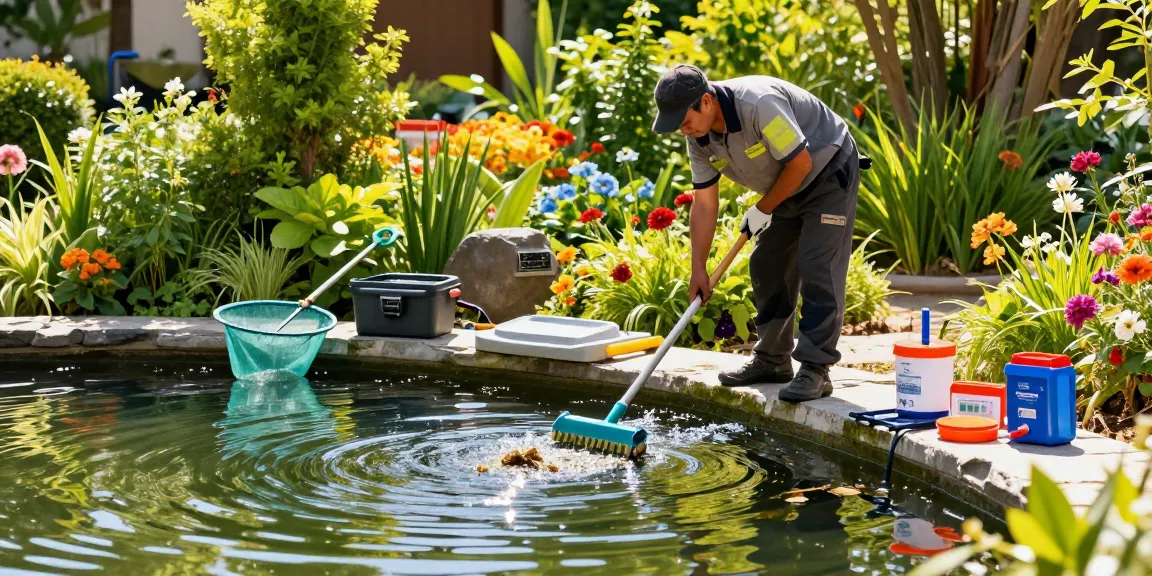
Proper seasonal care is vital for the health of your water lilies. In the spring, as temperatures rise, remove any debris and trim dead leaves to encourage new growth. During the growing season, fertilize with aquatic fertilizer to promote blooming. As fall approaches, cut back leaves and prepare the plants for winter. Hardy varieties can be left in the pond, while tropicals may need to be brought indoors or moved to a warmer environment.
Common Problems and Solutions for Water Lilies
Water lilies can encounter several issues, such as pests like aphids and snails, which may damage the leaves. To manage infestations, inspect plants regularly and consider organic pest control options. Fungal diseases can also affect water lilies, often linked to poor water quality. Maintaining clean water and proper aeration can significantly reduce these risks.
Future Trends in Water Gardening for 2026 and Beyond
Innovative Water Gardening Styles
As the field of water gardening evolves, new styles and designs are emerging that prioritize aesthetics as well as environmental sustainability. Integrating materials such as natural stones and eco-friendly filters, contemporary water gardens focus on creating harmonious ecosystems that blend seamlessly into the natural landscape.
Emerging Plant Varieties to Watch
With ongoing research and hybridization, new water lily varieties are expected to emerge, offering unique colors and growth patterns. Varieties that perform well in varying climates will gain popularity, allowing gardeners to expand their collections and beautify ponds across regions.
Environmental Sustainability in Water Gardening
As awareness of environmental issues grows, sustainability in water gardening will become a central focus. This includes using native plants, which support local wildlife and ecosystems, and employing sustainable maintenance practices that minimize chemical usage. Gardeners in 2026 will likely prioritize eco-friendly approaches that not only beautify their spaces but also contribute positively to the environment.
What are the best conditions for water lilies to thrive?
Water lilies flourish in sunny locations with calm water. Ideally, they require 6-8 hours of sunlight daily and a temperature range of 70°F to 85°F. The water should be clean and well-oxygenated, with a pH level between 6.0 and 7.5.
How often should I fertilize my water lilies?
Water lilies benefit from fertilization every 4-6 weeks during the growing season. Use specialized aquatic plant fertilizers that dissolve slowly, ensuring nutrients are available throughout the growth period.
Can I plant water lilies in a small pond?
Yes, water lilies can thrive in small ponds, especially smaller varieties that are specifically bred for limited spaces. Consider the pond’s depth and ensure it receives adequate sunlight for optimal growth.
What pests affect water lilies?
Common pests include aphids, snails, and water lily beetles. Regular monitoring and natural pest control methods can help manage these nuisances effectively.
How do I winterize my water lilies?
To winterize hardy water lilies, trim back dead leaves and lower the pots to a depth where they won’t freeze. Tropical varieties should be brought indoors or placed in a heated greenhouse during cold months to protect them from frost.