Understanding Kitchen Loofah Benefits
As consumers increasingly seek sustainable alternatives in their daily lives, kitchen loofahs have emerged as a popular choice among eco-friendly cleaning tools. These natural sponges not only provide effective cleaning but also contribute to sustainability in various ways. Understanding the distinct kitchen loofah benefits can empower you to make informed choices that align with both your cleaning needs and environmental consciousness.
What Are Kitchen Loofahs?
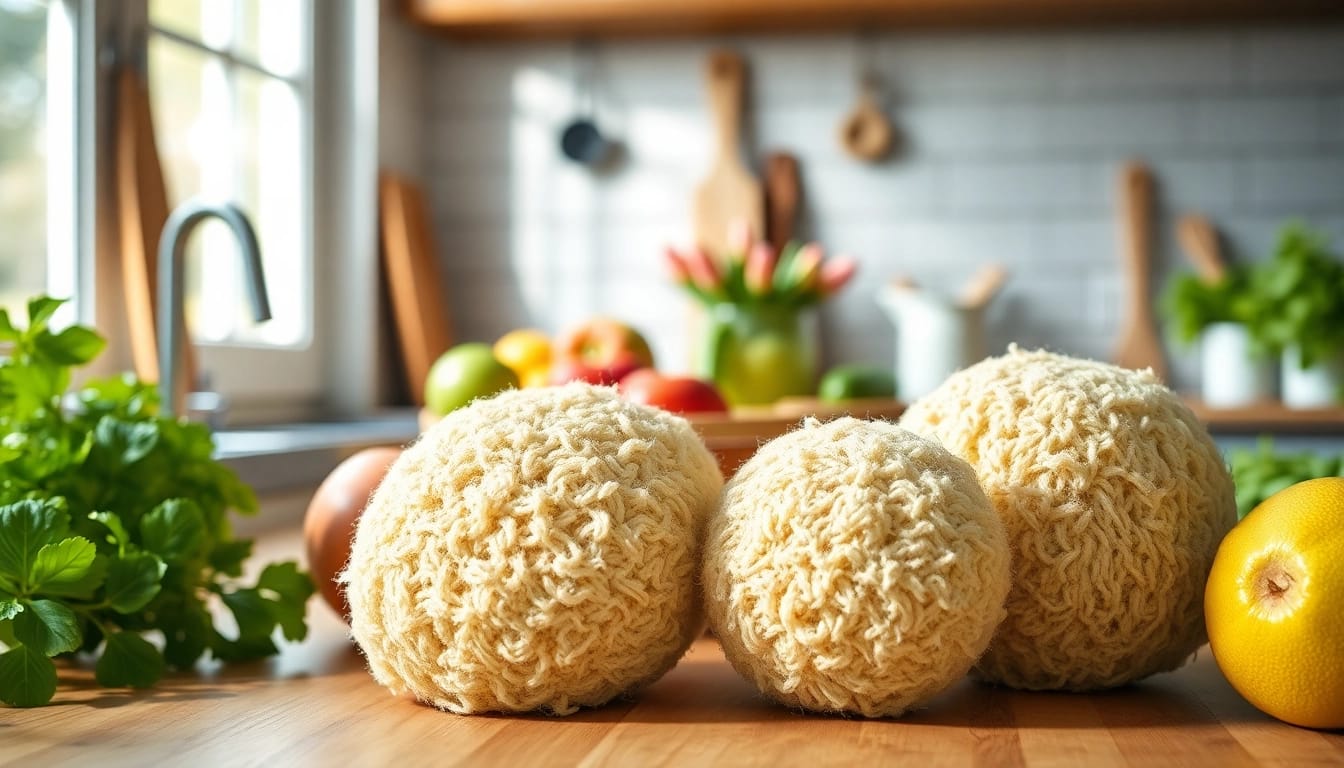
Kitchen loofahs are derived from the fibrous interior of loofah plants, which are members of the cucumber family. When harvested at the right time, these gourds can be dried and transformed into natural sponges. Unlike synthetic sponges which can harbor bacteria and contribute to plastic waste, kitchen loofahs are biodegradable and compostable, making them an excellent choice for conscientious consumers. The unique structure of a loofah allows it to absorb water while retaining its shape, making it ideal for scrubbing pots, pans, and surfaces.
Health Advantages of Kitchen Loofahs
In addition to their cleaning capabilities, kitchen loofahs offer several health advantages:
- Gentle Exfoliation: When used on skin, kitchen loofahs can provide gentle exfoliation, removing dead skin cells and promoting circulation.
- Natural Material: Made from natural fibers, kitchen loofahs do not contain harmful chemicals often found in synthetic sponges.
- Less Bacterial Growth: Unlike traditional kitchen sponges that absorb moisture and can become breeding grounds for bacteria, loofahs dry quickly, reducing bacterial growth.
Environmental Impact of Kitchen Loofahs
The environmental benefits of using kitchen loofahs are significant. By replacing synthetic sponges with biodegradable loofahs, you can reduce plastic waste. Once a kitchen loofah has reached the end of its life cycle, it can be composted rather than thrown away, thus returning nutrients to the soil instead of contributing to landfill waste. This shift not only helps in managing waste but also encourages sustainable agricultural practices as loofah plants are cultivated with minimal environmental impact.
How to Choose the Right Kitchen Loofah
Choosing the right kitchen loofah can enhance both your cleaning routine and the benefits they provide. Here are some essential factors to consider:
Organic vs. Conventional Loofahs
Opting for organic loofahs ensures that the plants were grown without synthetic pesticides or chemicals, which enhances their safety and sustainability. Organic loofahs are often more expensive but can be worth the investment if you prioritize environmentally friendly products.
Identifying Quality Loofahs
When selecting a kitchen loofah, look for these qualities:
- Texture: A good loofah should feel firm but not overly hard. It should sponge out nicely when wet.
- Color: Aim for a natural beige or light brown color, avoiding any synthetic dyes.
- Size: Choose a loofah size that fits comfortably in your hand for effective scrubbing.
Where to Purchase Loofahs
Kitchen loofahs can often be found in health food stores, farmers' markets, or online. Opt for stores that focus on sustainable and eco-friendly products to ensure the quality and environmental standards of your loofah. Always check for certifications to confirm organic or fair-trade practices.
Integrating Kitchen Loofahs into Your Routine
Integrating kitchen loofahs into your daily routine can enhance your cleaning experience while promoting an eco-friendly lifestyle.
Best Uses for Kitchen Loofahs
Here are some of the best uses for kitchen loofahs:
- Scrubbing Dishes: Use a soaked loofah to scrub away tough food residues on dishes and pans.
- Cleaning Surfaces: Loofahs can effectively clean kitchen countertops and tables, providing a gentle scrubbing surface.
- Fruit and Vegetable Wash: Use the soft side to scrub the skins of fruits and vegetables before consumption, ensuring they are clean.
Caring for Your Kitchen Loofah
Proper care helps extend the life of your kitchen loofah. Here are tips for maintenance:
- Regular Rinsing: Rinse thoroughly after each use to remove food debris and prevent bacteria growth.
- Drying: Allow your loofah to air dry after use to keep it fresh and free from odors.
- Replacement: Replace your loofah every few weeks or when it shows signs of wear, such as fraying or a foul smell.
Alternative Uses Beyond the Kitchen
Kitchen loofahs have a range of alternative uses beyond just cleaning dishes:
- Body Scrub: Loofahs can be used in the shower for natural exfoliation of the skin.
- Gardening: They can be used as organic mulch for indoor plants.
- Crafting: Creative minds can use loofahs as natural embellishments for arts and crafts.
Loofah Sustainability Practices
Understanding how to use loofahs in sustainable ways enhances their benefits. Here are essential practices to consider:
Composting Your Loofahs
Once your loofah has served its purpose, composting it is a great way to ensure it doesn’t contribute to landfill waste. Cut the loofah into smaller pieces to speed up decomposition, returning essential nutrients back to the earth.
Supporting Eco-Friendly Brands
Purchase loofahs from brands committed to environmentally sound practices. Supporting such brands encourages sustainable agriculture and reduces your carbon footprint.
Reducing Plastic Use in the Kitchen
Integrate kitchen loofahs into your daily routine to significantly reduce plastic waste. By replacing conventional cleaning sponges and brushes, you help create a cleaner planet for future generations.
Frequently Asked Questions about Kitchen Loofah Benefits
How long does a kitchen loofah last?
A kitchen loofah can last approximately 3 to 4 weeks, depending on usage and care. Regular cleaning and drying can extend its life.
Can kitchen loofahs be sanitized easily?
Yes, kitchen loofahs can be sanitized by boiling them in water or using vinegar. Just ensure to dry thoroughly afterward.
Are there any allergens associated with loofahs?
Loofahs are generally hypoallergenic, but some individuals may experience skin irritation. It's best to test on a small area first.
What makes loofahs eco-friendly?
Loofahs are biodegradable and compostable, made from natural fibers that break down quickly without leaving harmful residues.
Can kitchen loofahs replace sponges completely?
Yes, kitchen loofahs can replace sponges for most cleaning tasks, providing effective scrubbing without the environmental cost.