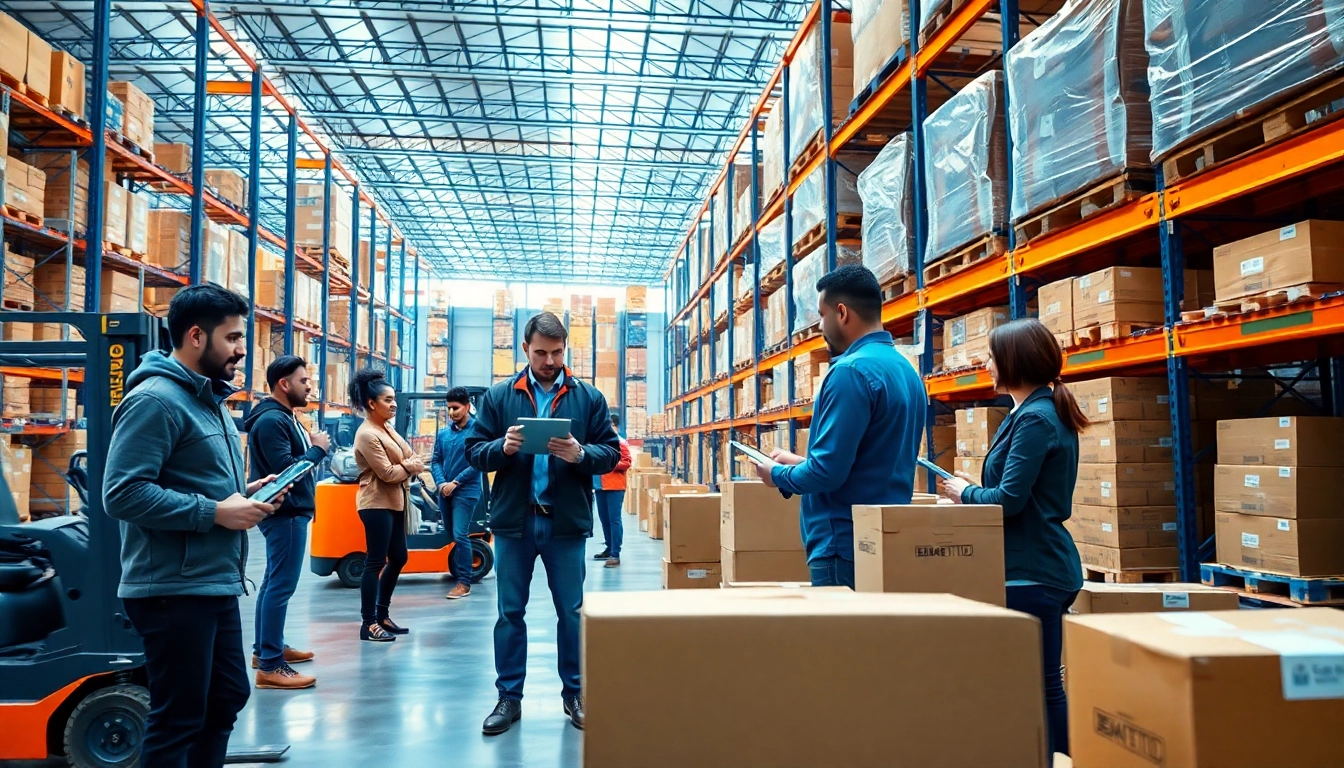
What is Logistics and Why It Matters
Logistics is a critical element of supply chain management that focuses on the planning, execution, and control of the efficient forward and reverse flow of goods, services, and related information. It encompasses a wide range of activities from the movement of raw materials to the delivery of products to final consumers. The significance of logistics has evolved over time, becoming an essential driver of business efficiency and customer satisfaction. As companies strive to enhance their operational capabilities, understanding logistics and its impact on overall performance becomes paramount. For more insights on this dynamic field, explore Logistics.
Definition and Origin of Logistics
The term 'logistics' originates from the Greek word "logistiki," which relates to calculation and reasoning. Historically, logistics was a military term that referred to the management of troops, equipment, and supplies in wartime. Over time, it has transitioned from a purely military concept to a critical component of commercial operations. Today, logistics encompasses the planning and management of supply chains, including procurement, inventory control, warehousing, and transportation.
Importance of Logistics in Supply Chain Management
Logistics plays a vital role in ensuring that products are delivered to customers efficiently and cost-effectively. It serves as the backbone of supply chain management, influencing various aspects such as inventory management, warehousing, and transportation. By optimizing logistics processes, companies can reduce costs, enhance customer satisfaction, and improve their competitive edge. The efficiency of logistics operations can significantly impact a company's bottom line, making it crucial for businesses to invest in effective logistics management strategies.
Common Misconceptions About Logistics
Despite its importance, logistics is often misunderstood. Some common misconceptions include:
- Logistics is just transportation: While transportation is a significant part of logistics, it also includes warehousing, inventory management, and order fulfillment.
- Logistics is a simple process: Logistics involves complex coordination and planning across various functions, making it a challenging discipline.
- Logistics is only relevant for large companies: Regardless of size, all businesses require logistics to manage their supply chains effectively.
Types of Logistics Services
Inbound Logistics: Managing Supply Sources
Inbound logistics focuses on the movement of goods from suppliers to the production facilities. It includes activities such as sourcing raw materials, transportation to warehouses, and inventory management. Effective inbound logistics ensures that businesses receive the necessary materials on time and at the right cost, enabling them to maintain production schedules and meet customer demand.
Critical aspects of managing inbound logistics include:
- Supplier Relationship Management: Building strong relationships with suppliers can lead to better pricing, quality, and reliability.
- Inventory Control: Implementing inventory management systems aids in tracking the level of raw materials and mitigating stockouts.
- Transportation Coordination: Efficient planning of transportation routes and schedules minimizes delays and reduces logistics costs.
Outbound Logistics: Distributing Products
Outbound logistics deals with the delivery of finished products to customers. This includes order processing, warehousing, inventory management, and transportation. The goal of outbound logistics is to ensure that products reach the customer in a timely manner while also managing costs.
Key considerations in outbound logistics are:
- Order Fulfillment: Order picking, packing, and shipping processes must be optimized to enhance customer satisfaction.
- Distribution Network Management: Understanding the geographic distribution of customers helps in the efficient planning of delivery routes.
- Customer Communication: Keeping customers informed about their order status can improve satisfaction and loyalty.
Third-Party Logistics (3PL) Explained
Third-party logistics (3PL) refers to the outsourcing of logistics operations to third-party service providers. This can include all aspects of logistics or specific functions such as transportation, warehousing, and distribution. Utilizing 3PL providers allows companies to focus on their core business activities while leveraging the expertise and resources of logistics professionals.
Benefits of 3PL include:
- Cost Savings: 3PL providers often have better rates and resources, reducing overall logistics costs for businesses.
- Flexibility: Companies can scale their logistics operations based on demand fluctuations without the need for significant capital investments.
- Access to Technology: Many 3PL providers invest in the latest logistics technologies, giving their clients access to advanced tracking and inventory management systems.
Key Components of Successful Logistics Management
Technology in Logistics: Innovations and Trends
Technology plays a pivotal role in logistics by enhancing efficiency, accuracy, and visibility. Advances in areas such as data analytics, artificial intelligence, and the Internet of Things (IoT) are reshaping how logistics operations are managed.
Current trends in logistics technology include:
- Automation: Robotics and automated guided vehicles (AGVs) are being increasingly utilized in warehousing and order fulfillment processes.
- Big Data Analytics: Companies are leveraging data analytics to forecast demand, optimize routes, and improve inventory turnover.
- Blockchain Technology: Blockchain enhances transparency and traceability in the supply chain, allowing for improved trust among stakeholders.
Strategic Planning for Logistics Optimization
Strategic planning in logistics involves setting goals and developing a roadmap to achieve those objectives. This includes identifying the right logistics strategy that aligns with the overall business strategy. Key steps in developing a logistics strategy include:
- Assessment of Current Operations: Conducting a thorough analysis of existing logistics processes to identify areas for improvement.
- Defining Objectives: Establishing clear, measurable goals for logistics performance, such as reducing costs or improving delivery times.
- Implementation Roadmap: Creating a detailed plan to execute the logistics strategy, including timelines, responsibilities, and resource allocation.
Developing Effective Logistics Strategies
To develop effective logistics strategies, companies need to consider various factors that impact their operations. This includes understanding market trends, customer expectations, and competitive pressures. Strategies should focus on:
- Customer-Centric Approaches: Tailoring logistics operations to meet customer preferences can enhance satisfaction and loyalty.
- Cost Management: Identifying opportunities to reduce logistics costs, such as optimizing transportation routes and consolidating shipments.
- Risk Management: Developing contingency plans to manage potential disruptions in the supply chain.
Challenges in the Logistics Industry
Supply Chain Disruptions and How to Handle Them
Supply chain disruptions can arise from various factors, including natural disasters, political instability, and fluctuations in market demand. Effectively managing these disruptions is essential for maintaining operational efficiency.
Strategies for handling supply chain disruptions include:
- Diversifying Suppliers: Reducing reliance on a single supplier by establishing relationships with multiple vendors can mitigate risks.
- Inventory Buffers: Keeping safety stock can help manage unforeseen demand spikes or supply delays.
- Agility and Flexibility: Implementing agile logistics strategies allows companies to respond quickly to changing conditions.
Regulatory Compliance in Logistics
Compliance with laws and regulations is crucial for companies operating in the logistics sector. This includes understanding local, national, and international regulations that govern transportation, safety, and environmental practices.
Key areas of regulatory compliance include:
- Customs and Import Regulations: Ensuring that all shipments comply with customs laws to avoid penalties and delays.
- Environmental Regulations: Adhering to environmental regulations related to waste management and emissions control.
- Health and Safety Standards: Implementing proper safety measures to protect employees and avoid legal repercussions.
Environmental Considerations in Logistics Operations
As sustainability becomes increasingly important, logistics companies must consider environmental impacts in their operations. This includes reducing carbon footprints and adopting green practices.
Strategies for enhancing sustainability in logistics include:
- Energy-Efficient Transportation: Utilizing fuel-efficient vehicles and optimizing delivery routes can significantly reduce emissions.
- Eco-Friendly Packaging: Implementing recyclable and biodegradable packaging materials helps minimize waste.
- Collaborative Logistics: Partnering with other companies to consolidate shipments can reduce the number of trips and lower emissions.
Measuring Logistics Performance
Key Performance Indicators (KPIs) in Logistics
Measuring logistics performance is essential to ensure that operations are meeting their objectives. Companies should establish key performance indicators (KPIs) that align with organizational goals.
Common KPIs in logistics include:
- Order Accuracy: The percentage of orders shipped correctly without errors.
- Transportation Costs: Total costs associated with transportation activities as a percentage of sales.
- On-Time Delivery Rate: The percentage of orders delivered on or before the scheduled delivery date.
Cost Analysis and Budgeting for Logistics
Conducting a thorough cost analysis is crucial for effective logistics management. This involves identifying all costs associated with logistics activities, including warehousing, transportation, and administrative expenses. A well-defined logistics budget enables companies to allocate resources efficiently and reduce waste.
Steps for effective cost analysis include:
- Identifying Cost Drivers: Analyzing factors that contribute significantly to logistics costs.
- Benchmarking: Comparing logistics costs against industry standards to identify areas for improvement.
- Budget Tracking: Monitoring budget adherence and making adjustments as necessary to stay on track.
Continuous Improvement in Logistics Management
Continuous improvement is essential for maintaining a competitive edge in logistics. Companies should foster a culture of learning and adaptation to enhance their logistics operations continually.
Strategies for implementing continuous improvement include:
- Feedback Mechanisms: Soliciting input from employees and customers to identify areas for enhancement.
- Regular Training: Investing in employee training programs to keep teams updated on best practices and technologies.
- Performance Reviews: Conducting regular reviews of logistics processes and KPIs to gauge effectiveness and implement changes.