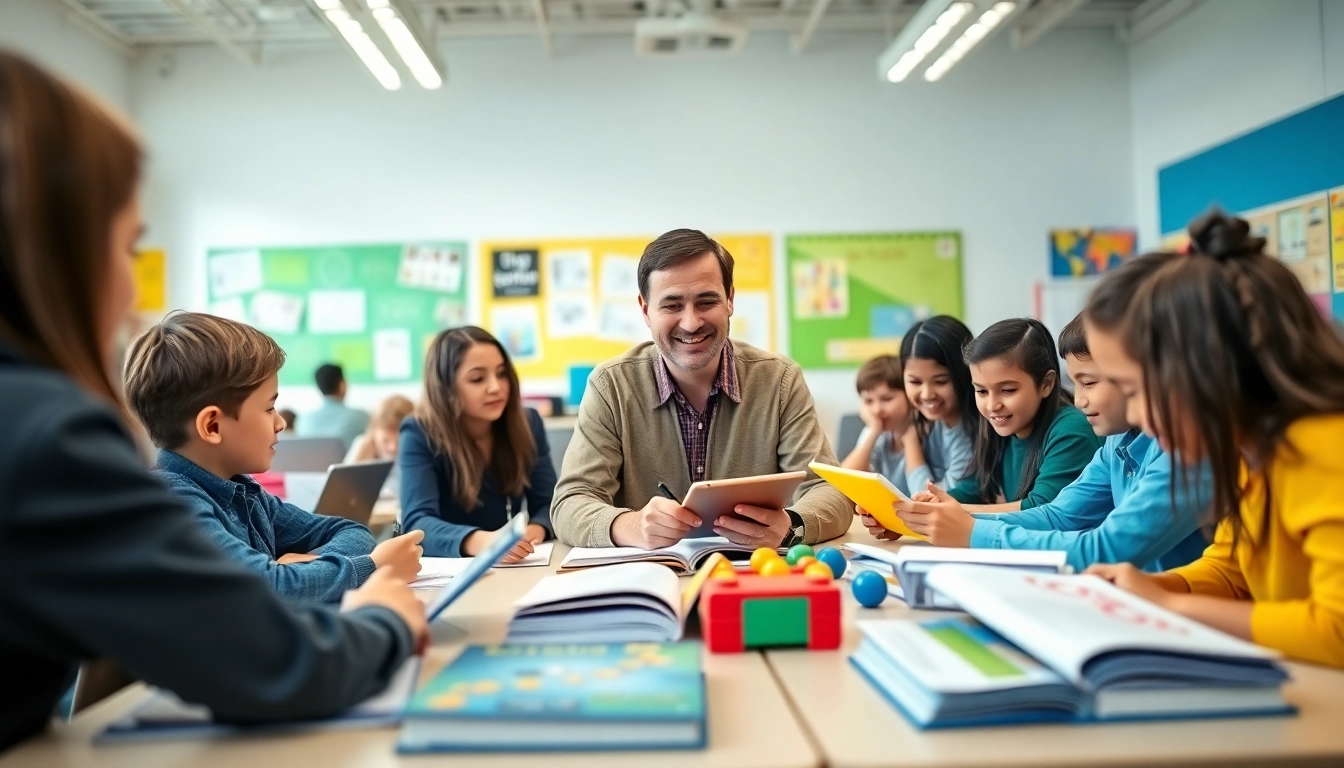
Understanding the Role of Education
Definition and Key Concepts of Education
Education is a multifaceted concept that encompasses various processes of learning, teaching, and development. It can be seen as the systematic transmission of knowledge, skills, attitudes, and values from one generation to another. Beyond the formal confines of schooling, education integrates life lessons that shape an individual's character and worldview. The significance of Education lies in its ability to empower individuals, promote social cohesion, and prepare citizens to participate actively in society. Central to education are several key concepts, including pedagogy, curriculum, assessment, and learning environments.
Historical Evolution of Education
The history of education is as diverse as its practices. It has evolved from informal, family-based instruction in prehistoric times to more structured systems of learning that we see today. The ancient civilizations, such as those in Mesopotamia, Egypt, and Greece, laid the groundwork for formal educational institutions, emphasizing the importance of literacy and knowledge in governance and society. The Middle Ages witnessed the rise of universities in Europe, which became centers of higher learning and intellectual discourse. In modern times, the Enlightenment era further catalyzed the movement towards universal education, driven by burgeoning notions of human rights and social equality. Today, education systems are characterized by varying degrees of accessibility, complexity, and cultural relevance across different regions.
Different Models of Education
Education is not monolithic; instead, it can be categorized into different models, each with unique principles and methodologies. The most prevalent models include:
- Traditional Education: This model emphasizes structured curricula, formal assessments, and the role of teachers as key knowledge transmitters.
- Progressive Education: Advocated by thinkers like John Dewey, this approach focuses on experiential learning, critical thinking, and the development of socio-emotional skills.
- Inclusive Education: This model aims to accommodate students of all backgrounds and abilities, promoting equal opportunities and diverse learning experiences.
- Competency-Based Education: Here, the focus is on mastering specific skills or competencies rather than on time-based progression, allowing students to advance upon demonstrating proficiency.
Types of Education
Formal Education: Schools and Universities
Formal education refers to structured educational systems typically regulated by government bodies. This type includes primary and secondary education, as well as higher education institutions, such as colleges and universities. Within this framework, students follow a specified curriculum, engage in standardized assessments, and work towards achieving internationally recognized qualifications. The advantages of formal education include the acquisition of foundational knowledge, socialization with peers, and the potential for career advancement.
Informal Education: Learning Beyond the Classroom
A significant portion of human learning occurs outside formal educational settings. Informal education encompasses self-directed learning, mentoring, community engagement, and experiential learning that takes place in daily life. This type of education can occur at any age and can be influenced by family, peers, media, and cultural contexts. While it lacks the structure and measurable outcomes associated with formal education, informal educational experiences can be profoundly impactful in shaping personal beliefs, values, and skills.
Alternative Education Approaches
Alternative education offers distinctive methodologies outside conventional practices, designed to meet diverse learner needs. Examples include:
- Montessori Education: Focused on student-directed learning, the Montessori method encourages exploration and independence through hands-on activities.
- Waldorf Education: This approach emphasizes artistic expression, imagination, and the importance of community and social responsibility.
- Homeschooling: A growing trend, homeschooling offers families the flexibility to tailor educational experiences to individual learning styles and preferences.
The Impact of Education on Society
Education and Economic Development
The link between education and economic development is well-documented. A well-educated workforce drives productivity, innovation, and economic growth. Nations that invest in education often experience higher GDP per capita, reduced unemployment rates, and improved living standards. Education equips individuals with the skills needed to compete in the global market, fostering entrepreneurship and creativity. Moreover, educated citizens are more likely to engage in civic activities and contribute to sustainable development, leading to broader societal benefits.
Social Benefits of Education
Education extends beyond economic advantages; it also yields social benefits that enhance overall community wellbeing. Educated individuals tend to have better health outcomes, as they are more likely to make informed choices regarding their lifestyles and healthcare access. Furthermore, education promotes social mobility, allowing individuals to break the cycle of poverty and improve their family's prospects. Importantly, educational attainment can lead to increased political engagement and activism, contributing to a more informed and active citizenry.
The Role of Education in Promoting Equality
Education plays a critical role in promoting social justice and equality. It serves as a powerful equalizer that can significantly reduce disparities related to income, race, and gender. Access to quality education is a fundamental human right, yet, in many parts of the world, barriers such as socio-economic status, geographic location, and systemic discrimination continue to limit opportunities for marginalized groups. Advocating for equitable education systems, scholarship programs, and policy reforms is essential for bridging these gaps and fostering inclusive communities.
Challenges in the Education Sector
Access to Quality Education
Despite the recognized importance of education, significant challenges persist regarding access and quality. Millions of children worldwide remain out of school, and those who do attend often face overcrowded classrooms, outdated materials, and inadequately trained teachers. Socio-economic factors play a pivotal role in these disparities, as families with limited resources may lack transportation, technology, or support systems necessary for educational success. Addressing these access issues requires comprehensive strategies that prioritize investment in educational infrastructure and community support.
Funding and Resource Allocation
Funding remains a critical concern in the education sector. Many educational institutions operate on tight budgets, leading to insufficient resources for essential programs, teaching staff, and technology. In some regions, government funding is inequitable, favoring affluent areas while neglecting underfunded schools. Advocates emphasize the importance of transparent accounting and targeted funding initiatives that respond to the unique challenges of underserved communities. Allocating resources effectively can help elevate the standard of education and ensure no child is left behind.
Adapting to Technological Changes
The rapid advancement of technology presents both opportunities and challenges for education. While digital tools can enhance teaching and learning, implementing them effectively requires investment in training for educators, support for infrastructure, and a focus on cybersecurity. The digital divide remains a critical concern, particularly for students in low-income areas who may lack access to devices and reliable internet. Developing strategies to integrate technology into education must prioritize inclusivity, ensuring that all students can benefit from the digital revolution.
Future Trends in Education
The Rise of Online Education
The COVID-19 pandemic accelerated the adoption of online education, marking a significant shift in how learning occurs. Distance learning platforms have emerged as essential tools for reaching students of all ages, providing flexibility and accessibility that traditional classrooms may not offer. While online education presents challenges such as maintaining engagement and ensuring quality, its potential to democratize learning experiences is immense. As educational institutions continue to invest in hybrid models that blend online and in-person interactions, the future of education may become more personalized, allowing students to learn at their own pace.
Innovative Teaching Methods
Innovation in teaching methods will shape the next generation of educators. Approaches such as project-based learning, gamification, and flipped classrooms encourage active participation and critical thinking among students. Furthermore, integrating social-emotional learning into curricula helps develop not only cognitive abilities but also interpersonal skills, fostering a more holistic educational experience. Teacher training programs must adapt to these evolving methodologies, equipping educators with the necessary skills to implement innovative practices effectively.
Global Perspectives on Education Reform
Education reform is a global concern, with many countries reevaluating their systems to provide more equitable and effective learning opportunities. Various nations are experimenting with decentralization, school choice, and community-driven models. International organizations advocate for educational policies that promote inclusivity, quality, and sustainability. Studying successful reform initiatives from around the world can provide valuable insights and inspire best practices that enhance educational systems everywhere.
This article explored the importance, types, and impacts of education, as well as the challenges and future trends shaping the educational landscape. Acknowledging and addressing these factors will be key to fostering an effective and equitable education system for future generations.