
Introduction to Sports Broadcasting
In the realm of modern media, the significance of Sports Broadcasting cannot be overstated. From high-profile sporting events capturing global audiences to the niche coverage of local leagues, sports broadcasting encompasses a wide array of platforms and formats, creating an essential bridge between fans and their favorite sports. This article delves deep into the various components of sports broadcasting, tracing its history, exploring its current significance, and discussing future trends that may redefine the industry.
History and Evolution of Sports Broadcasting
The concept of sports broadcasting can be traced back to the early 20th century when radio became a popular medium. The first live sports broadcast occurred in 1921 when a boxing match was aired on KDKA in Pittsburgh. This innovation paved the way for further developments, and by the late 1930s, sports events were being broadcast on television, reaching audiences in their homes.
As technology advanced, so too did the ways in which sports could be broadcast. The introduction of color television in the 1960s and satellite broadcasting in the 1980s expanded the reach of sports media exponentially. Today, we see live events streamed online, mobile broadcasts, and a multitude of platforms catering to diverse audiences, demonstrating that sports broadcasting is a constantly evolving field influenced by both technological advancements and viewer preferences.
The Importance of Sports Broadcasting Today
Today, sports broadcasting serves multiple crucial roles. It not only provides entertainment but also contributes to the economy through advertising revenues and sponsorship deals. Furthermore, it enhances the fan experience by delivering game insights, up-to-the-moment updates, and behind-the-scenes content. By fostering a sense of community and belonging among fans, sports broadcasting has become an indispensable part of the sporting experience.
Key Roles in Sports Broadcasting
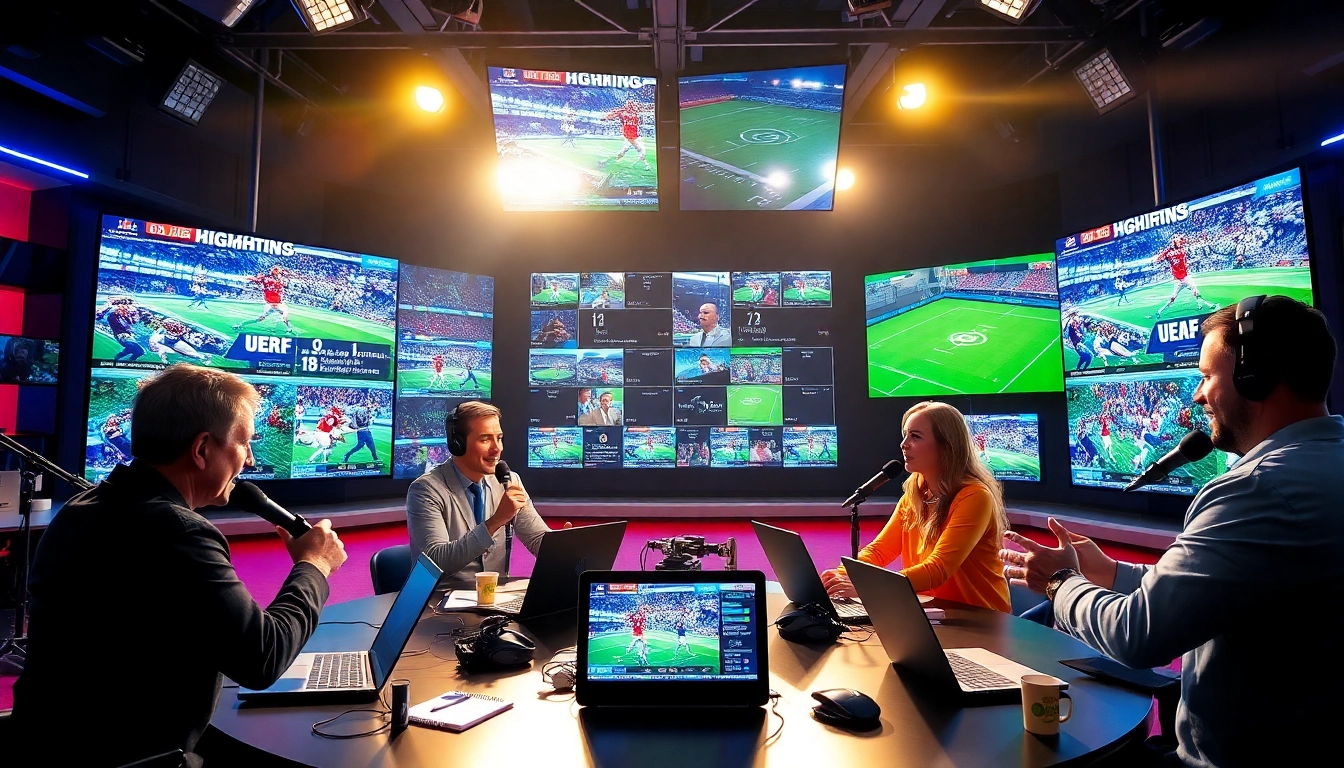
Within the landscape of sports broadcasting, several key roles are integral to its functioning. Producers orchestrate the entire broadcast experience, from planning to execution. Directors focus on the visual storytelling aspect, ensuring that the viewers are captivated. Commentators and analysts provide insights and commentary that enrich the viewer's understanding. Technicians manage the equipment and technology, guaranteeing high-quality audio and video. Collectively, these professionals create a seamless viewing experience that enhances the enjoyment of sporting events.
Types of Sports Broadcasting
Television vs. Online Streaming
The traditional television broadcast remains a dominant form of sports coverage, especially for major events like the Super Bowl or World Cup. With the ability to reach large audiences instantly, TV remains a preferred choice for many. However, the rise of online streaming platforms has changed the game dramatically. Services like ESPN+, DAZN, and Peacock offer flexibility, allowing viewers to watch games on their terms, often without geographical limitations.
The competition between traditional broadcasting and online streaming shows no signs of slowing down. For fans, the choice between the two often comes down to accessibility, user experience, and personal preferences regarding content options.
Radio Sports Broadcasting Options
Despite the rise of visual media, radio sports broadcasting remains a relevant and effective method of reaching audiences. Many fans appreciate the accessibility and personal touch offered by radio broadcasters. These broadcasts often feature expert commentary and analysis and are ideal for listeners who want to stay informed while multitasking. Furthermore, radio remains a go-to choice for listeners in regions with limited access to reliable internet.
Mobile App Broadcasting
As mobile technology continues to evolve, dedicated sports apps have become increasingly popular. These apps offer a variety of features, including live scoring updates, audio streaming, and video highlights, allowing fans to stay connected with their favorite teams on the go. Mobile broadcasting also enables access to niche sports and leagues that might not be covered by mainstream networks. With notifications and updates tailored to users' preferences, mobile apps are an integral part of the sports broadcasting landscape.
Technical Aspects of Sports Broadcasting
Equipment Needed for Quality Broadcasts
The technical demands of sports broadcasting require specialized equipment. High-definition cameras, microphones, and lighting setups are essential for delivering a quality viewing experience. Additionally, with the increasing popularity of drones for aerial footage, broadcasters can provide unique perspectives that enhance storytelling. The integration of graphics, replays, and digital overlay technology adds to the viewer experience, making the broadcast more engaging and informative.
Live Production Techniques and Strategies
Executing a live sports broadcast requires meticulous planning and coordination. Field producers must work closely with the broadcast crew to create a comprehensive timeline, ensuring that all aspects—from pre-game analysis to post-game interviews—run smoothly. Live graphics, instant replays, and in-game statistics are strategically incorporated to enhance viewer engagement and comprehension during the broadcast.
Importance of Audio and Visual Quality
Quality audio and visual production is paramount in sports broadcasting. Viewers expect crystal-clear audio commentary, and any distortion can detract from the experience. Similarly, high-definition video with smooth transitions between angles helps immerse audiences in the event. Broadcasters invest significant resources into technology and training to achieve these standards and deliver an exceptional viewer experience.
Skills Required for Success in Sports Broadcasting
Essential Communication Abilities
Effective communication is at the heart of successful sports broadcasting. Commentators and analysts must convey information clearly, using appropriate terminology while engaging viewers. The delivery must be captivating, allowing for timely insights on game tactics and player performances—skills that typically require years of practice and expertise.
Research and Preparation Techniques
Preparation is vital for success in sports broadcasting. Broadcasters need a deep understanding of the sport, including player statistics, team strategies, and historical context. Researching before each game, preparing notes, and creating storylines are common practices that help broadcasters deliver informed commentary that resonates with viewers.
Handling Live Commentary Under Pressure
Live commentary can be intense, especially during critical game moments. Professionals in the industry must learn to stay composed and articulate, offering valuable insights without missing key details. Experience handling live scenarios can enhance a broadcaster's effectiveness, helping them maintain poise and confidence during high-pressure situations.
Future Trends in Sports Broadcasting
The Impact of Technology on Sports Broadcasting
The future of sports broadcasting will be heavily influenced by technological advancements. Innovations such as augmented reality (AR), virtual reality (VR), and artificial intelligence (AI) are poised to revolutionize the way fans interact with content. These technologies can create immersive experiences that connect fans to sports like never before, offering interactive viewing experiences that adapt to individual preferences.
Engaging Fans through Interactive Media
To maintain relevance, broadcasters are increasingly leaning towards interactive media. This trend encourages fan engagement through polls, live chats, and social media integration during broadcasts. By fostering a two-way dialogue with viewers, broadcasters can create a more dynamic experience that enhances loyalty and community among fans.
Predictions for the Future of Sports Broadcasting
As the sports broadcasting landscape continues to evolve, expect trends such as personalized content delivery and advanced analytics to gain traction. The rise of e-sports broadcasting is another area to watch. Integrating data visualization and predictive analytics into viewer experiences will result in an audience that is more informed, engaged, and invested in the content.
Frequently Asked Questions
What is Sports Broadcasting?
Sports broadcasting refers to the distribution of live or recorded sports events through various media channels, including television, radio, and online platforms.
How has technology influenced Sports Broadcasting?
Technology has reshaped Sports Broadcasting by enhancing viewer experiences with high-definition visuals, real-time statistics, and immersive features like AR and VR.
What are the key roles in Sports Broadcasting?
Key roles in Sports Broadcasting include producers, directors, commentators, analysts, and technicians, each playing a vital part in the overall broadcast quality.
What skills are essential for a sports broadcaster?
Essential skills include strong communication abilities, thorough research techniques, and the capacity to perform under pressure during live events.
What is the future of Sports Broadcasting?
The future will likely involve more personalized experiences, interactive features, and advancements in technologies like AI, which will enhance viewer engagement.