Understanding the Concept of Seamless Living
In a world where our environments significantly affect our well-being, the concept of Seamless Living emerges as a transformative approach to home design. This holistic philosophy aims to create spaces that enhance our quality of life by eliminating barriers—physical, aesthetic, and emotional—and promoting an effortless flow throughout our living areas. This article will explore the principles, design elements, and practical tips for achieving a seamless living environment.
The Definition of Seamless Living
Seamless Living can be defined as the integration of design elements and lifestyle choices that foster a harmonious, interconnected atmosphere within a home. The term denotes an intentional approach to arranging spaces, colors, furnishings, and natural elements, ensuring that every aspect contributes to a cohesive living experience. Essentially, it's about blurring the lines between various areas of the home so that the transition from one space to another is fluid and inviting.
Core Principles of Seamless Living
At the heart of Seamless Living are several core principles:
- Harmony: Each element in your space should complement the others, creating a unified aesthetic.
- Functionality: Designs must serve practical purposes while enhancing the overall flow.
- Connection: Spaces should promote a sense of togetherness, making it easy to move and interact.
- Natural Integration: Infusing natural elements helps bridge the indoor and outdoor realms, inviting serenity into the home.
Importance of Flow in Design
Flow is a crucial aspect of Seamless Living. Good flow refers to how effortlessly one can navigate through a space. When designing for flow, consider arranging furniture and decor in a manner that facilitates movement. This may involve strategic placement to create natural pathways, using area rugs to delineate spaces without creating physical barriers, and ensuring clear sightlines to enhance the sense of openness.
Design Elements for Achieving Seamless Living
Choosing the Right Furniture
Furniture choice plays a major role in establishing an atmosphere of Seamless Living. Opt for pieces that are versatile and scale-appropriate, allowing for easy movement and interaction. Multi-functional furniture, such as ottomans that double as storage or extendable dining tables, can significantly curb clutter and maintain a clean aesthetic. Additionally, consider a selection of furniture that shares a cohesive design language—like color, material, or style—to enhance the overall harmony of the space.
Color Schemes That Promote Harmony
Color has a profound impact on mood and atmosphere. For Seamless Living, sticking to a cohesive color palette can help establish a unified environment. Consider using neutral tones as a foundation, accented by bolder hues through accessories and artwork. Make sure colors transition smoothly from one room to the next, guiding the eye and creating a sense of tranquility throughout the home.
Importance of Lighting in Space
Lighting is another essential element in achieving seamlessness. A well-lit space not only enhances aesthetic appeal but also contributes to well-being. Layering different types of light—ambient, task, and accent—can create depth and dimension. Install dimmable fixtures and smart lighting options that can be adjusted according to mood and activity. Using natural light and strategically placed mirrors can also amplify brightness and promote positive energy flow.
Incorporating Nature in Seamless Living
Biophilic Design Principles
Biophilic design principles center around the idea of connecting residents to nature to enhance their well-being, an integral component of Seamless Living. This idea emphasizes bringing the outdoors inside through the use of natural materials, colors, and forms. Consider using natural stone, wood, and organic fabrics to create a tactile experience that resonates with the natural world, enhancing both aesthetic and emotional connection.
Indoor Plants for a Breath of Fresh Air
Integrating indoor plants into your living environment not only improves air quality but also contributes significantly to the aesthetic appeal of any space. Choose low-maintenance plants that thrive in your specific lighting conditions. Positioning greenery near windows or in shared spaces can create a refreshing atmosphere and promote a sense of calm, further enhancing the principles of Seamless Living.
Natural Materials and Textures
Using natural materials adds depth and richness to your home’s aesthetic. Opt for textured fabrics, such as linen or wool, and raw finishes, like reclaimed wood or stone. These materials promote a sense of warmth and authenticity. By incorporating textures into your design, you create visual interest that invites touch and exploration, which is key to experiencing a seamless flow within the space.
Connecting Spaces for Seamless Living
Open Floor Plans vs. Defined Areas
The choice between an open floor plan and defined areas can greatly affect the sense of seamlessness within a home. Open floor plans promote interaction and connection but can sometimes lack intimacy. Conversely, defined areas offer privacy and specialized spaces for different activities. Striking a balance between these two approaches can lead to a harmonious living environment—using partial dividers, such as shelves or plants, can help create distinct areas without obstructing flow.
Combining Indoor and Outdoor Spaces
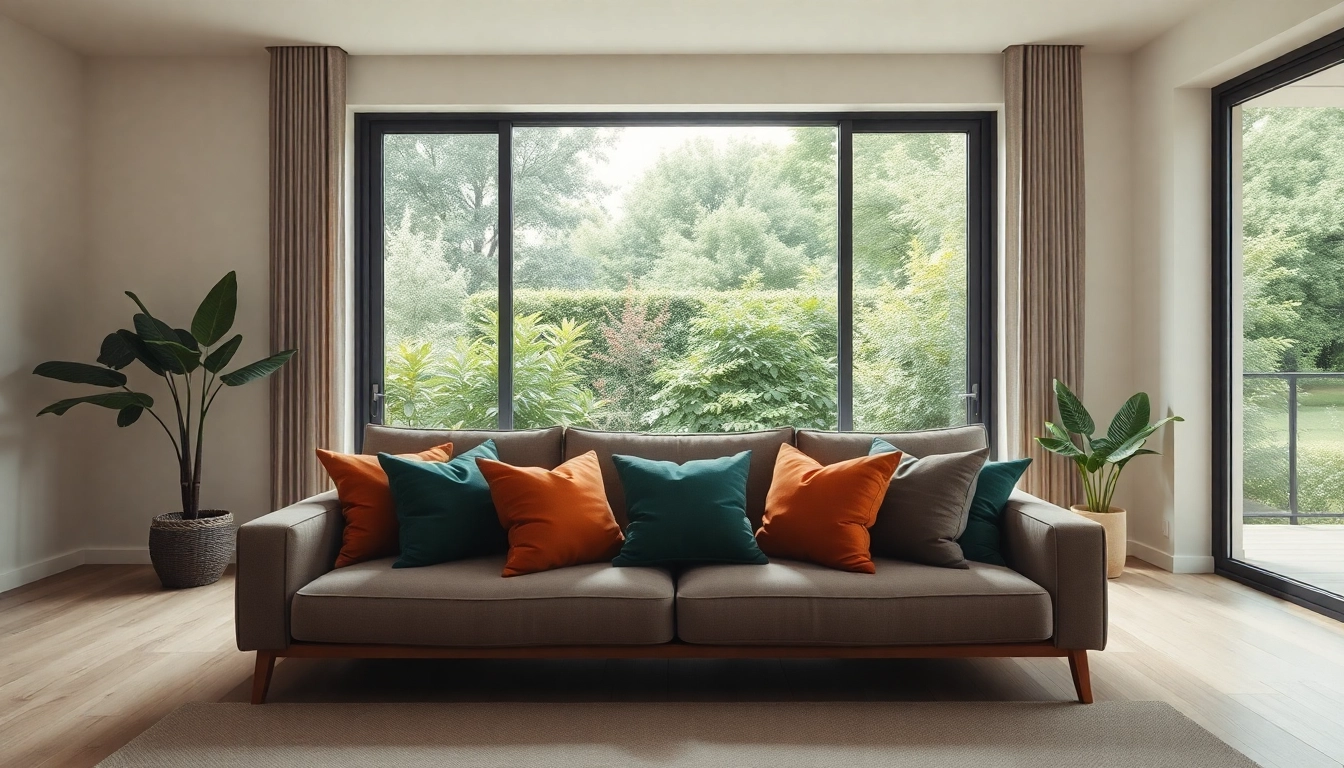
Bridging the gap between indoor and outdoor spaces is a hallmark of Seamless Living. Incorporate large windows, sliding glass doors, and outdoor patios that can serve as extensions of your living areas. Selecting furniture and decor that are suitable for both inside and outside can solidify this connection, allowing for a fluid transition from one environment to another while encouraging outdoor engagement.
Creating Cohesive Decor Across Rooms
To maintain a sense of seamlessness throughout the home, it is essential to coordinate decor across different rooms. Choose decor elements that share common characteristics—such as similar colors, materials, or themes—to create a visual thread that ties each space together. Consistency in style fosters a more cohesive and comforting environment, enhancing the overall seamless experience.
Practical Tips for Implementing Seamless Living
Step-by-Step Guide to Redesign Your Space
Implementing Seamless Living in your home can be achieved through a systematic approach:
- Assess Your Space: Measure and note the current layout, identifying areas that feel disconnected.
- Define Your Aesthetic: Choose a cohesive style and color palette that reflects your personality and promotes harmony.
- Select Furniture: Choose furniture that serves multiple purposes and complements the chosen aesthetic.
- Incorporate Lighting: Plan your lighting to add depth and comfort throughout your home.
- Add Natural Elements: Incorporate plants, natural materials, and outdoor views wherever possible.
- Adjust as Needed: Regularly assess the flow and functionality of your redesign and make adjustments as necessary.
Budget-Friendly Solutions for Seamless Living
Achieving a seamless living environment does not have to be expensive. Here are some budget-friendly strategies:
- Repurpose existing furniture by refinishing or reupholstering items to match your desired aesthetic.
- Shop at thrift stores or yard sales for unique pieces that can add character to your space.
- DIY decor and improvements whenever possible to save on costs while personalizing your environment.
- Utilize indoor plants: they can be an inexpensive way to incorporate nature into your home.
Measuring Success: Feedback and Adjustments
The journey toward achieving Seamless Living is ongoing. Sharing your space with family and friends can provide valuable feedback on the flow and overall experience. Regularly assess how well your redesigned space is serving your needs and make adjustments as necessary. Being open to change and flexible in your design approach will allow your space to evolve and remain a seamless sanctuary.
Frequently Asked Questions
What is Seamless Living?
Seamless Living is a design philosophy that integrates elements of harmony, functionality, and nature to create an interconnected and effortless living experience.
How do I choose colors for my seamless living space?
Opt for a cohesive color palette that incorporates neutral tones accented by bold hues, ensuring transitions between rooms feel effortless.
What types of furniture work best for seamless living?
Choose versatile, multi-functional furniture that complements your overall design language and enhances fluid movement within your space.
How can I incorporate nature indoors?
Utilize indoor plants, natural materials like wood, and biophilic design principles to create a refreshing and connected environment.
What if I have a limited budget?
Repurpose furniture, use thrift store finds, or focus on DIY solutions to achieve a seamless living space without overspending.