Understanding Different Types of Refrigerators
Choosing the right refrigerator involves understanding various types that cater to different needs and preferences. Here's an overview of the most common types of refrigerators available on the market today.
Top-Freezer Refrigerator: Classic Design
The top-freezer refrigerator is a longstanding favorite among consumers. Its design features a freezer compartment on the top with a refrigerator section below, providing a classic appearance. This model is ideal for those who prioritize freezer space, as it usually offers more than other configurations. It is commonly more affordable and energy-efficient, making it an excellent choice for families and individuals on a budget.
Side-by-Side Refrigerator: Convenience and Accessibility
Side-by-side refrigerators are characterized by two vertical compartments: the refrigerator on one side and the freezer on the other. This design promotes easy access to both sections, which is helpful for those who frequently use their freezer. Many modern side-by-side models now include features like built-in water and ice dispensers, adding convenience to your kitchen experience. However, users should be mindful of the drawer size as they can limit the storage capacity for larger items.
French Door Refrigerator: Style Meets Function
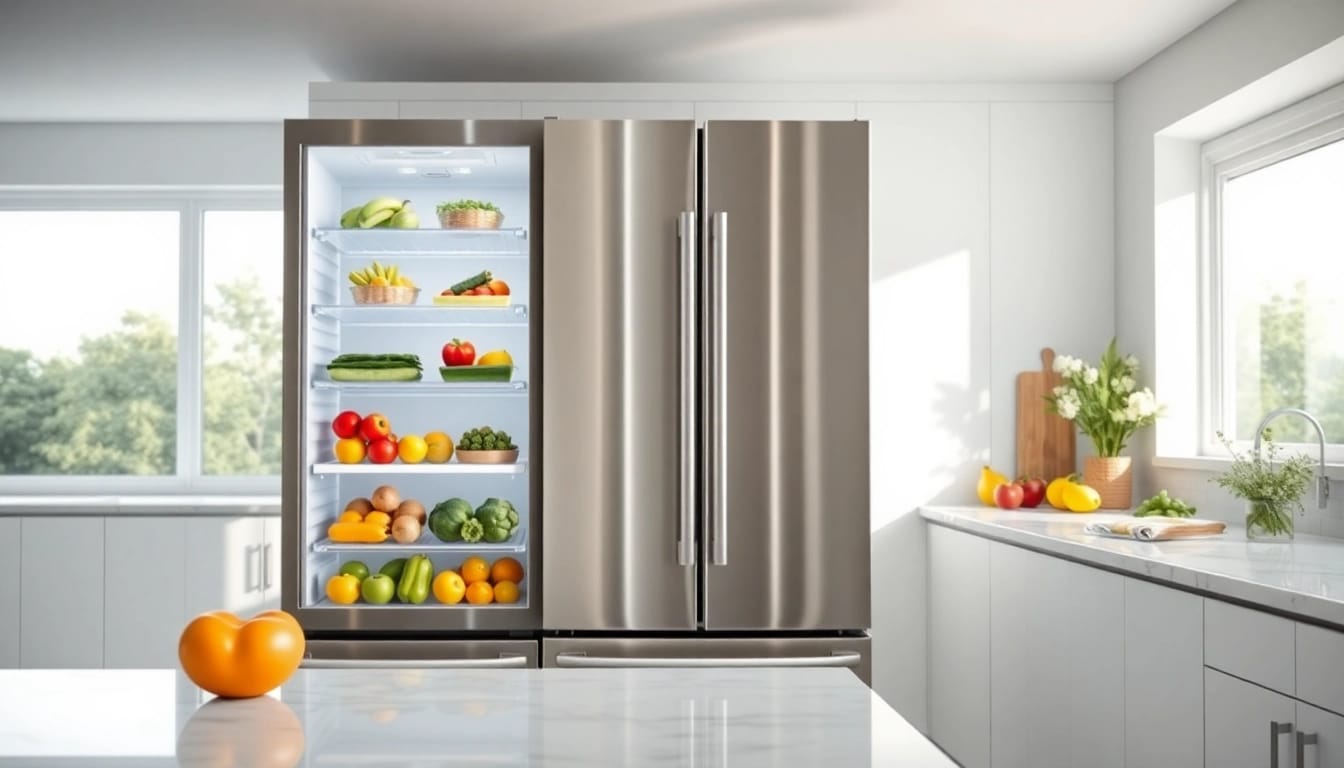
Combining elegance with functionality, French door refrigerators feature two doors that open from the center, leading to the main refrigerator compartment at eye level, while a bottom drawer serves as the freezer. This design not only maximizes storage space but also enhances accessibility. French door models often boast advanced features, including smart technology and customizable shelving, catering to a premium kitchen style.
Factors to Consider When Buying a Refrigerator
Size and Space: Measuring Your Kitchen
Before making a purchase, measuring the area where the refrigerator will be placed is crucial. Consider not only the dimensions of the fridge itself but also space for door swings and ventilation. A well-measured buy will prevent you from facing any issues owing to insufficient space. Common standard sizes vary, but a thorough measurement can help narrow down compatible options.
Energy Efficiency: Saving on Utilities
Energy efficiency plays a significant role in long-term cost savings. Look for refrigerators that have ENERGY STAR ratings, indicating they meet or exceed energy efficiency guidelines. These models often use less energy, which helps to lower utility bills while also reducing environmental impact. While the initial cost of such models might be higher, the savings over time can make them more cost-effective.
Features and Technology: Must-Haves vs. Nice-to-Haves
Modern refrigerators offer a plethora of features designed to enhance usability. Identify which features you truly need—like adjustable shelving, temperature control zones, or smart connectivity—against those that are simply nice to have. This allows you to focus on models that offer high value without unnecessary extras, ensuring you stay within budget while making an informed choice.
Maintaining Your Refrigerator for Longevity
Regular Cleaning Tips for Optimal Performance
Regular maintenance is vital in extending the life of your refrigerator. Clean the condenser coils at least twice a year by vacuuming or brushing away dust and dirt to improve efficiency. Additionally, routinely check and clean the door seals to prevent cold air from escaping, which can increase energy consumption. A deep clean of the interior every few months helps maintain a hygienic environment for food storage.
Common Issues and Troubleshooting
Despite proper maintenance, you may encounter common issues with your refrigerator, such as unusual noises, inadequate cooling, or frost buildup. Most of these problems can often be troubleshot easily. For instance, if your fridge is too noisy, check for loose components or uneven placement. Inadequate cooling may require cleaning coils or rearranging food items to allow for airflow. Understanding these basics can help save on repair costs.
Replacement Parts & When to Seek Help
In the event of a significant malfunction, knowing when to replace parts or call a professional is essential. Common parts that may require replacement include the thermostat, water filter, and door seals. If troubleshooting doesn’t resolve the issue, consult the user manual or contact customer support for assistance. This approach ensures you maintain optimal functionality without the stress of unnecessary fixes.
Popular Refrigerator Brands and Their Features
Brand Reliability: What to Look For
The reliability of a brand significantly impacts your long-term satisfaction with your refrigerator. Research customer ratings, warranty offerings, and repair histories when evaluating brands. High-rated brands tend to offer better durability and service, which translates into peace of mind for the consumer. Look for brands that have a strong reputation and solid customer reviews.
Understanding Warranty Options
Different brands provide varying warranty lengths and coverage levels. While some offer basic warranties covering parts for a limited period, others may include extensive coverage that guarantees repairs for specific components. Understanding the warranty scope ensures you are better defended against unexpected repair costs and provides insights into the manufacturer's confidence in their product.
User Reviews: Insights from Other Buyers
Reading reviews from other customers can provide real-world insights into how a refrigerator performs. Look for comments about efficiency, noise, space, and features. Pay attention to feedback about customer service experiences, as this can be just as valuable as the product itself. Combining expert reviews with consumer opinions creates a well-rounded view that will influence your purchasing decision significantly.
Frequently Asked Questions About Refrigerators
What is the average lifespan of a refrigerator?
Typically, the lifespan of a refrigerator ranges from 10 to 20 years, depending on the quality and maintenance. Regular upkeep can also extend its functionality.
How do I know what size refrigerator I need?
Measure your kitchen space, considering clearance for doors and ventilation. The standard refrigerator sizes vary, but knowing available space helps determine the best fit.
Are smart refrigerators worth the investment?
Smart refrigerators can offer added convenience, advanced features like inventory tracking, and energy monitoring. While they may cost more initially, they can enhance your kitchen experience.
What maintenance is required for a refrigerator?
Regular cleaning of coils, checking door seals, and inspecting the interior for spoilage are essential for maintaining optimal refrigerator performance.
How do different fridge types affect energy consumption?
Energy consumption varies by type; for instance, side-by-side models can use more energy than top-freezer models due to their design and layout. Efficient models can help reduce energy costs.