
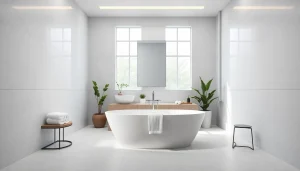
Understanding Bathroom Remodeling
What Is Bathroom Remodeling?
Bathroom remodeling refers to the process of renovating an existing bathroom space to improve its functionality, aesthetic appeal, or both. This can involve various upgrades, ranging from minor cosmetic changes like new paint or fixtures to major structural modifications like reconfiguring the layout, installing new plumbing, or updating electrical systems. The primary goal of bathroom remodeling is to create a space that meets the homeowner’s needs and reflects their personal style, contributing not just to comfort but to the overall value of the home.
Benefits of Bathroom Remodeling
Investing in bathroom remodeling provides numerous benefits that enhance the entire home experience. One of the most significant advantages is increased home value; well-designed bathrooms can yield a high return on investment. Additionally, modern upgrades can improve energy efficiency through updated plumbing and better lighting solutions. Finally, a redesigned bathroom enhances functionality, making daily routines more enjoyable and efficient. Overall, a remodel can elevate both the aesthetics and practicality of the space, improving daily living quality.
Common Challenges in Bathroom Remodeling
Despite the many benefits, bathroom remodeling can present various challenges. Budget overruns are common, especially if unexpected issues arise during the renovation process. Delays can occur due to permit issues, material availability, or contractor schedules. Additionally, homeowners might face design complexities as they attempt to balance their desires with the limitations of space or existing plumbing. Understanding these potential challenges ahead of time can help homeowners prepare and mitigate risks effectively when planning their remodel.
Planning Your Bathroom Remodeling Project
Setting a Budget for Bathroom Remodeling
Establishing a realistic budget is crucial for a successful bathroom remodel. Homeowners should start by researching the average costs of materials, labor, and design services within their area. It’s advisable to allocate 10-20% of the total budget for unexpected expenses. To create an effective budget, prioritize needs versus wants, list the key features that will add value and functionality, and identify spaces where costs can be minimized without sacrificing quality.
Choosing Styles and Features
Choosing the right style and features for the bathroom can dramatically influence the remodel’s outcome. Homeowners should explore various design aesthetics—such as modern minimalist, classic vintage, or bohemian chic—and select elements that align with their personal taste. Important features to consider include vanity style, sink type, shower design, and flooring materials. Incorporating a cohesive design theme that resonates with the rest of the home creates a more harmonious living environment.
Creating a Timeline for Your Remodel
Establishing a timeline for the remodel helps keep the project on track and minimizes disruptions to daily life. A typical bathroom remodel might take anywhere from a few weeks to several months, depending on the project’s complexity. It’s wise to outline major phases—planning, demolition, installation, and finishing—and assign projected durations to each. This timeline should remain flexible to accommodate potential delays while still providing a clear roadmap for the process.
Design Inspiration for Bathroom Remodeling
Modern Bathroom Trends
Staying informed about modern bathroom trends can spark creativity and guide decision-making in a remodel. Trends like spa-like features, rain showers, freestanding tubs, and smart technology integration are gaining popularity. Additionally, eco-friendly fixtures and sustainable materials are becoming necessities in many designs. Homeowners should seek inspiration from various sources, including design magazines, online platforms, and hardware store displays, to envision contemporary bathroom spaces.
Incorporating Color and Texture
Color and texture play a vital role in bathroom design. Neutral colors generally work well to create a serene atmosphere, while bold hues can add personality and a modern twist. Combining various textures—such as matte tiles with glossy finishes or wooden elements with metals—creates visual interest and depth. Homeowners should focus on balance to ensure that color and texture harmonize and contribute positively to the overall design.
Finding Your Unique Design Style
Developing a unique design style involves assessing personal preferences and practical needs. Homeowners can create mood boards combining colors, materials, finishes, and styles that resonate with them. Visiting showrooms, browsing design websites, and looking at photos of remodeled bathrooms can provide insight into what combinations work best. It’s essential to remember that personal expression should guide the design, ensuring the bathroom feels like a true reflection of the homeowner’s identity.
Staging and Execution of Bathroom Remodeling
Hiring the Right Professionals
Choosing the right professionals is critical for a successful bathroom remodel. This includes designers, contractors, and specialized tradespeople like plumbers and electricians. Conducting thorough research, checking references, and reviewing previous work can help in selecting the best team. Engaging professionals who communicate well and understand the homeowner’s vision can streamline the process, ensuring that work is done efficiently and meets expected standards.
DIY vs. Hiring Experts for Bathroom Remodeling
Deciding between DIY and hiring experts depends on both the project scope and the homeowner’s skill level. While smaller tasks, such as painting or changing fixtures, can be manageable, larger jobs may require professional skills to meet safety and code regulations. Homeowners considering DIY should honestly assess their capabilities, time, and willingness to learn. On the other hand, hiring professionals typically results in a faster completion and higher-quality finishes, giving peace of mind throughout the project.
Adapting to Unexpected Changes
Throughout the remodeling process, homeowners should remain flexible and ready to adapt to unexpected changes. Issues such as water damage, outdated plumbing, or electrical code violations are common surprises in renovations. It’s essential to have contingency plans in place and maintain open communication with contractors to address concerns as they arise. Flexibility can lead to innovative solutions that enhance the project, rather than becoming setbacks.
Post-Remodel Maintenance and Care
Maintaining Your Newly Remodeled Bathroom
Regular maintenance is key to preserving a newly remodeled bathroom’s beauty and functionality. Homeowners should create a cleaning schedule that includes routine tasks like scrubbing grout, cleaning faucets, and ensuring ventilation to prevent moisture buildup. Additionally, inspecting caulking and seals regularly helps identify wear and tear before they develop into larger issues. Taking proactive steps ensures the bathroom remains a clean and welcoming space for years to come.
Key Metrics to Evaluate Performance
To assess the success of a bathroom remodel, homeowners should establish key performance metrics. These may include measuring increased home value, tracking improvements in energy efficiency, and evaluating satisfaction with the space’s functionality. Gathering feedback from family members on usability can also provide valuable insights. Regularly comparing these metrics against initial expectations helps gauge the overall effectiveness of the remodel.
Planning for Future Renovations
Post-remodel, it’s important to remain open to future renovations. Homeowners should continue gathering feedback about the space and consider emerging trends or new technologies that might be beneficial over time. Creating a list of desired upgrades or adjustments can facilitate future planning, making it easier to gradually enhance the bathroom’s value and appeal as needs change.
Frequently Asked Questions
How long does a bathroom remodel typically take?
A bathroom remodel can take anywhere from a few weeks to several months, depending on the project’s complexity and scope. Project management and contractor availability also play significant roles.
What is the average cost of a bathroom remodel?
The cost of a bathroom remodel varies widely but averages between $10,000 to $25,000 depending on size and design choices. Budgeting for unexpected expenses is also recommended.
Can I remodel my bathroom on a tight budget?
Yes, remodeling on a budget is possible. Focusing on cosmetic updates, reusing existing fixtures, and opting for cost-effective materials can significantly reduce expenses.
Should I hire a designer for my bathroom remodel?
Hiring a designer can be beneficial, especially for complex remodels. They provide valuable expertise in space planning, style selection, and can help avoid costly mistakes.
What features should I prioritize in a bathroom remodel?
Key features to prioritize include quality plumbing fixtures, proper lighting, efficient storage solutions, and functional layout to enhance both aesthetics and usability.