
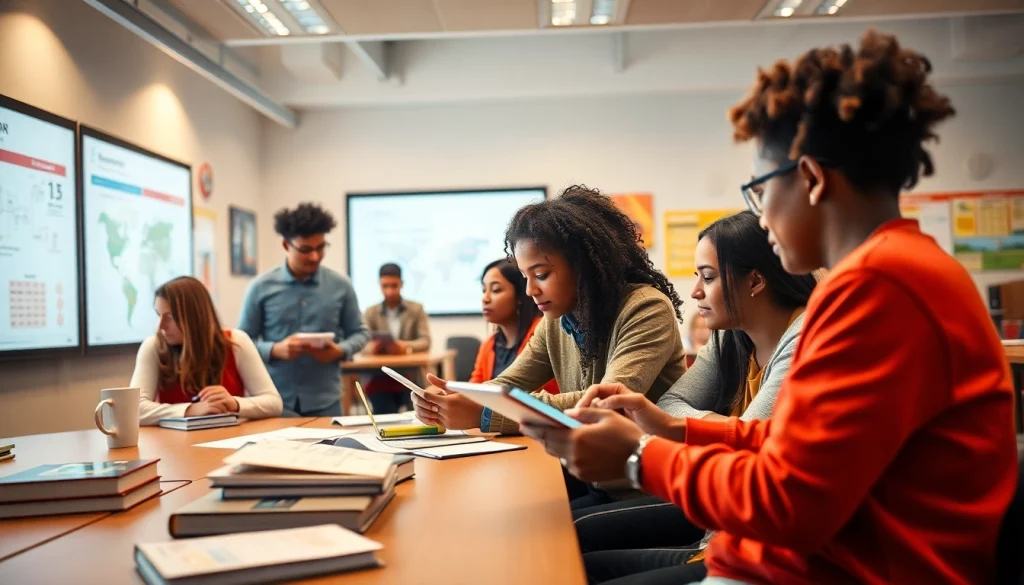
Understanding the Current Landscape of Education
The landscape of education is constantly evolving, driven by technological advancements, shifting societal needs, and a growing demand for equity. In 2026, we find ourselves at a pivotal moment where traditional paradigms are being challenged, and innovative approaches are taking center stage. Dr. Matthew Lynch, a passionate advocate for education reform, emphasizes that education is not just a pathway to personal development; it is a vital mechanism for achieving social justice and equality. By engaging with new frameworks and methodologies, stakeholders can better serve diverse communities and advocate for comprehensive reform. For deeper insights into this transformative journey, the work of Dr. Lynch provides pivotal resources on education.
Defining Education in the Modern Context
Education today transcends rote learning and standardized testing. It encompasses a holistic approach to developing critical thinkers equipped to tackle complex global challenges. The current definition of education incorporates not just the acquisition of knowledge but also the development of emotional intelligence, creativity, and socio-cultural awareness. Modern education must adapt to cater to diverse learning styles and cultural backgrounds, ensuring inclusivity is at the forefront of every educational initiative.
Major Trends Shaping Education in 2026
As we look towards 2026, several trends are shaping the future of education:
- Technology Integration: The integration of AI and virtual reality is transforming classrooms, making learning more interactive and personalized.
- Social-Emotional Learning: Recognizing the importance of mental health, schools are prioritizing emotional well-being alongside academic achievement.
- Project-Based Learning: Students are engaging in real-world problem-solving tasks, fostering collaboration and critical thinking.
- Global Collaboration: Cross-border educational partnerships are increasing, allowing students to connect with peers around the world, broadening their perspectives.
Challenges Facing Educational Equity and Access
Despite progress, significant challenges remain in achieving equity in education. Many marginalized communities continue to face barriers such as inadequate funding, lack of access to advanced technological resources, and systemic biases. Addressing these challenges requires a multifaceted approach that includes:
- Policy Reform: Advocating for policies that direct resources toward underfunded schools.
- Community Engagement: Involving community stakeholders in educational dialogues to understand their unique needs.
- Teacher Training: Providing educators with the tools necessary to foster inclusive classrooms that celebrate diversity.
Innovative Strategies for Educational Reform
To foster a more equitable educational environment, innovative strategies must be implemented. By focusing on reform that integrates technology and promotes inclusivity, we can create pathways that reflect the values of equity and justice in education.
Implementing Technology in Classrooms
Technology has revolutionized the teaching and learning process. Interactive platforms, adaptive learning technologies, and digital resources enable personalized learning experiences. EdTech tools can cater to different learning paces and styles, providing resources that empower students to take ownership of their education.
Promoting Inclusive Learning Environments
Creating an inclusive educational atmosphere is critical for fostering a sense of belonging among students. This can be achieved through:
- Diverse Curriculum: Integrating diverse perspectives and narratives into the curriculum to reflect the student population.
- Universal Design for Learning (UDL): Implementing teaching strategies that accommodate various learning needs and preferences.
- Socio-Emotional Support: Providing counseling resources and peer support networks to address the emotional needs of students.
Engaging Communities in Education Initiatives
Community involvement is essential for successful educational reform. By fostering partnerships between schools, families, and local organizations, education can become a shared effort. Stakeholder engagement can help ensure that educational programs meet the needs of the community, thereby improving overall educational outcomes.
Equity and Accessibility in Education
Equity in education means that every student has access to the resources and opportunities they need to succeed. This section explores the current inequalities and presents strategies to foster equal opportunities.
Addressing Inequalities in Resources
Resource allocation is a central issue in achieving educational equity. Schools in affluent neighborhoods often receive more funding than those in low-income areas, leading to disparities in quality. Strategies to address these inequalities include:
- Redistributing Funding: Advocating for state and federal policies that ensure equitable funding distribution.
- Investment in Facilities: Upgrading infrastructure in underfunded schools to create safe and conducive learning environments.
- Access to Advanced Coursework: Providing opportunities for all students to enroll in advanced placement and honors classes.
Strategies to Foster Equal Opportunities
Creating equal educational opportunities requires a proactive approach. This can include:
- Mentorship Programs: Establishing mentorship programs that connect students with role models in their desired fields.
- Scholarships and Grants: Offering financial support for students from disadvantaged backgrounds to pursue higher education.
- Career Readiness Initiatives: Implementing programs that prepare students for the workforce through internships and vocational training.
The Role of Policy in Educational Equity
Education policy plays a crucial role in advancing equity. Policymakers can foster systemic change by:
- Prioritizing Equity in Legislation: Crafting legislation that focuses on funding equity and supports underprivileged schools.
- Data-Driven Decision Making: Utilizing data to identify disparities and allocate resources effectively.
- Involving Educators in Policy Development: Ensuring that teachers’ voices are heard in policy discussions to create realistic and effective educational reforms.
Measuring Success in Educational Innovations
To assess the effectiveness of educational innovations, we must establish key performance indicators (KPIs) that reflect student outcomes and program impact. This section delves into how we can evaluate success in educational initiatives.
Key Performance Indicators for Education
Measuring educational success involves various quantitative and qualitative metrics, including:
- Standardized Test Scores: Evaluating student performance on standardized assessments to measure knowledge acquisition.
- Graduation Rates: Tracking the percentage of students who successfully complete their education within the expected timeframe.
- Student Engagement: Surveys and feedback mechanisms that gauge student participation and satisfaction with their learning experiences.
Evaluating the Impact of New Approaches
Innovative educational approaches must be assessed to determine their effectiveness. This can be achieved through:
- Longitudinal Studies: Conducting studies that track student progress over time to understand the long-term impact of educational reform.
- Focus Groups: Engaging with students, parents, and educators to gather qualitative data on the effectiveness of new initiatives.
- Case Comparisons: Analyzing differences in student outcomes between schools implementing innovative strategies and those using traditional methods.
Case Studies of Successful Educational Programs
Highlighting successful educational programs can serve as a model for future initiatives. Examples include:
- Montessori Schools: Known for their child-centered approach, Montessori schools allow students to learn at their own pace, fostering independence and creativity.
- Project-Based Learning Initiatives: Schools that have adopted project-based learning methods report higher levels of student engagement and retention of knowledge.
- Online Learning Platforms: Digital tools that provide flexible learning environments, allowing students to access resources and support at their convenience.
The Future of Education: Predictions for 2026 and Beyond
As we approach 2026, the future of education holds promising developments that can reshape the way we think about learning, teaching, and assessment.
Emerging Technologies and Their Potential Impact
The rise of emerging technologies, such as AI, machine learning, and augmented reality, will redefine educational experiences. These technologies can facilitate personalized learning journeys, ensuring that all students receive tailored educational support and resources that meet their individual needs.
Preparing Educators for Future Challenges
To address the future needs of students, teacher preparation programs must evolve. This includes integrating technology training into teacher education curricula and providing ongoing professional development to help educators stay ahead of educational trends.
Visions for a Revolutionary Education System
The vision for the future includes a revolutionary education system that is accessible, equitable, and engaging. This system prioritizes student well-being, incorporates community involvement, and values diverse perspectives, thereby fostering a global citizenry that is prepared to face the challenges of tomorrow. It is within this paradigm that Dr. Matthew Lynch’s advocacy for education equity, reform, and innovation will continue to drive meaningful change.