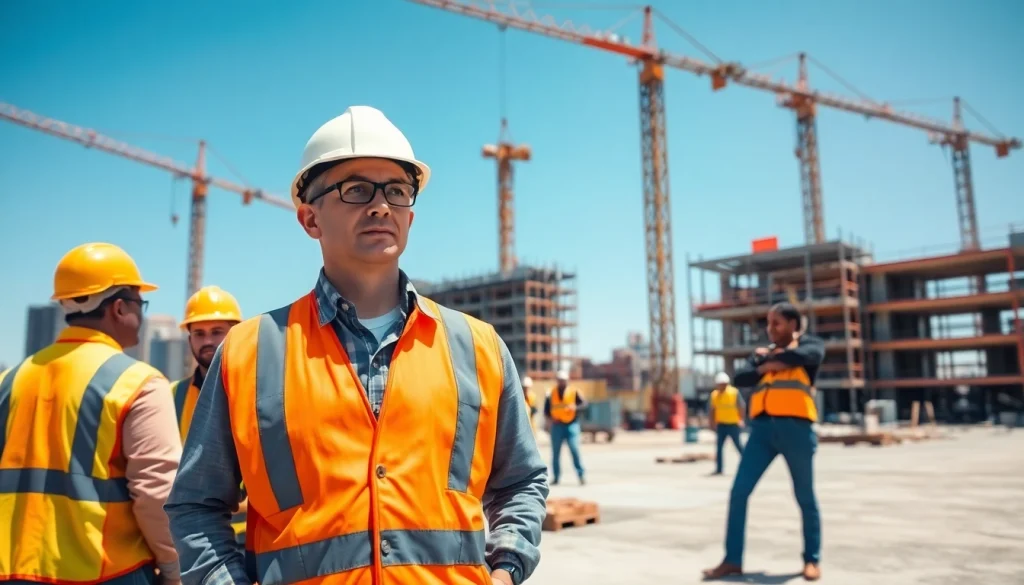
The Role of a Manhattan Construction Manager
In the bustling landscape of Manhattan, a city marked by its ever-evolving skyline and relentless pace, the role of a Manhattan Construction Manager has become vital. Tasked with overseeing an array of construction projects, these professionals ensure that everything from planning to execution aligns impeccably with timelines, budgets, and quality standards. This extensive article delves into the essential aspects of the construction manager’s role, outlining their responsibilities, the vital skills required for success, and the influential impact of their leadership on project outcomes.
Understanding the Key Responsibilities
At the core of a construction manager’s duties lies a spectrum of responsibilities that ensure projects are completed successfully. Their primary tasks encompass:
- Project Planning: This includes defining project scope, setting timelines, and determining budgets. A detailed plan acts as the blueprint for the entire project.
- Resource Management: Efficient allocation of resources, including human, material, and financial assets, plays a critical role in meeting project goals.
- Collaboration with Stakeholders: Construction managers coordinate with architects, engineers, contractors, and clients, facilitating effective communication and collaboration.
- Quality Control: They are responsible for ensuring that construction practices comply with industry standards and client specifications, maintaining high-quality benchmarks.
- Risk Management: Identifying potential risks and developing mitigation strategies is fundamental to minimizing setbacks during construction.
- Compliance with Regulations: Adhering to local building codes, safety regulations, and environmental laws is crucial to avoid legal challenges.
Essential Skills for Success
To excel as a Manhattan Construction Manager, professionals must possess a diverse set of skills. These include:
- Leadership Qualities: Effective leadership fosters a productive environment and motivates teams to meet project objectives.
- Communication Skills: The ability to communicate clearly and succinctly with various stakeholders is essential for successful project management.
- Problem-Solving Abilities: Construction managers should be adept at swiftly identifying problems and developing practical solutions to avoid project delays.
- Technical Proficiency: Understanding construction methods, materials, and technology is imperative for making informed decisions.
- Financial Acumen: Budgeting and financial management skills enable construction managers to monitor project costs and optimize resource allocation.
- Time Management: Balancing multiple tasks within strict deadlines while ensuring quality outcomes is a challenge that requires excellent time management.
Impact of Leadership on Project Outcomes
The leadership style adopted by a construction manager significantly influences project outcomes. Effective leaders cultivate an atmosphere of trust and collaboration, which leads to enhanced productivity. Conversely, a lack of leadership can introduce confusion, miscommunication, and delays, ultimately jeopardizing project success. Here are several ways strong leadership impacts project outcomes:
- Enhanced Team Collaboration: A construction manager who actively promotes teamwork fosters a collaborative culture that encourages sharing ideas and innovative solutions.
- Improved Morale: Great leaders motivate their teams, boosting morale, reducing turnover, and enhancing overall productivity.
- Efficient Problem Resolution: With a proactive approach to challenges, dedicated leadership ensures that obstacles are addressed swiftly, minimizing disruptions.
- Clear Vision and Direction: A well-defined vision articulated by the construction manager provides a clear path for the team, aligning efforts toward achieving common objectives.
Understanding Construction Management in Manhattan
Constraining these managerial insights to the Manhattan context requires an exploration of the unique market dynamics influencing construction projects in the area.
Market Trends Affecting Manhattan Construction
Manhattan’s construction industry is shaped by a myriad of trends, reflective of the city’s urban landscape and economic conditions. Some of the key trends include:
- Urbanization: Continued migration to urban centers increases the demand for residential, commercial, and mixed-use developments.
- Sustainability Practices: A growing emphasis on sustainable building practices influences specifications and materials choice. LEED certification and energy-efficient designs are becoming commonplace.
- Technology Integration: Innovations such as Building Information Modeling (BIM), drones, and smart construction technologies streamline project management and enhance efficiency.
- Labor Market Challenges: Fluctuations in labor availability amid a booming construction sector often lead to competition for skilled workers, impacting project timelines and costs.
Comparison with National Averages
When examining Manhattan’s construction landscape, it’s essential to compare local practices with national averages to understand variance. While construction costs in Manhattan are typically higher than the national average due to land price and labor costs, project complexity and scale also contribute to cost discrepancies. Additionally, regulatory standards may vary significantly across states, impacting timelines and operational protocols.
Regulatory Factors Influencing Construction Projects
The regulatory environment greatly influences construction management in Manhattan. Builders must navigate an array of local building codes, zoning laws, environmental regulations, and safety standards. Compliance with these regulations requires thorough planning and close collaboration with legal and regulatory experts to ensure projects proceed without unnecessary delays. Key regulatory considerations include:
- Building Codes: Adhering to the New York City Building Code is crucial for ensuring safety and compliance on all projects.
- Zoning Laws: Understanding zoning regulations helps determine land usage and project feasibility.
- Environmental Regulations: Projects must comply with environmental protection guidelines that govern site cleanup, pollution control, and waste disposal.
Best Practices for Project Management
In the fast-paced construction environment of Manhattan, adopting best practices for project management is vital for achieving success. These practices enhance efficiency, improve communication, and drive project delivery.
Effective Communication Techniques
Clear communication is foundational to effective construction management. Implementing the following techniques can amplify communication within teams:
- Regular Meetings: Scheduled status updates foster collaboration and keep everyone aligned with project goals and timelines.
- Utilizing Project Management Software: Software tools that enhance communication streamline documentation, review processes, and project tracking.
- Open Channels for Feedback: Encouraging team members to share their insights fosters inclusivity and can provide valuable perspectives on workflow improvements.
Utilizing Technology for Project Efficiency
The integration of technology into construction management offers numerous efficiencies. Managers can leverage various tools to enhance productivity. Some notable technologies include:
- Building Information Modeling (BIM): BIM provides digital representations of physical and functional characteristics of projects, improving visualization and planning accuracy.
- Drones: Drones facilitate site inspections and surveying, offering real-time data collection that can enhance decision-making.
- Mobile Applications: These applications enable on-site personnel to communicate effectively, submit reports instantly, and access project documents from their mobile devices.
Risk Management Essentials
Effective risk management is critical to minimizing disruptions and achieving project objectives. Construction managers should implement methods such as:
- Risk Assessment Workshops: Conducting workshops with team members helps identify potential project risks early in the planning phase.
- Developing Response Plans: Having established response plans for identified risks ensures preparedness for unforeseen circumstances.
- Regular Monitoring: Continuous surveillance of project developments allows managers to identify and address challenges promptly.
Building a Strong Team as a Manhattan Construction Manager
A robust team is the backbone of any successful construction project. Creating an environment that attracts and maintains talent is essential for a Manhattan Construction Manager.
Recruitment Strategies for Talent Acquisition
To build an exceptional team, effective recruitment strategies should be implemented. This includes:
- Networking within the Industry: Engaging with industry-specific networks and forums can yield talented candidates.
- Utilizing Online Job Portals: Leveraging job portals targeted at construction professionals can help reach a larger pool of candidates.
- Internship Programs: Offering internships creates a pipeline of potential hires and allows managers to evaluate skill sets before employment.
Creating a Collaborative Work Environment
Fostering a collaborative environment is pivotal for maximizing team performance. Key strategies include:
- Team-building Activities: Regular team-building exercises enhance interpersonal relationships and improve collaboration.
- Encouraging Open Dialogue: A culture of transparency makes team members feel valued and encourages them to contribute their ideas and feedback.
- Aligning Goals: Ensuring individual team members understand how their roles contribute to the project ensures alignment and a shared sense of purpose.
Training Programs for Skill Enhancement
Continuous professional development is vital in the construction industry. Providing regular training programs can include:
- Workshops on New Technologies: Offering workshops focused on emerging technologies ensures that the team remains current with industry advancements.
- Leadership Development Programs: Encouraging team members to develop their leadership skills prepares them for future roles within the organization.
- Safety Training: Ensuring all team members undergo safety training promotes a culture of safety and reduces workplace accidents.
Measuring Success and Performance Metrics
Establishing metrics for evaluating team performance and overall project success is critical for continuous improvement. A Manhattan Construction Manager must define clear performance indicators.
Defining Key Performance Indicators (KPIs)
KPIs serve as measurable values that demonstrate how effectively an organization is achieving key business objectives. In construction management, critical KPIs can include:
- Budget Variance: This metric assesses the difference between budgeted and actual project costs, providing insight into financial performance.
- Project Completion Time: Tracking the actual completion time against planned timelines highlights scheduling efficiency.
- Safety Incident Rates: Monitoring safety performance helps maintain workplace safety standards and reduce accidents.
Conducting Post-Project Evaluations
Post-project evaluations are essential for deriving lessons learned and enhancing future project performance. This process involves:
- Stakeholder Feedback: Collecting feedback from all parties involved helps identify strengths and areas for improvement.
- Project Performance Review: Analyzing whether project objectives were met concerning time, cost, and quality provides insights for future endeavors.
- Documentation of Lessons Learned: Compiling findings and recommendations ensures that knowledge is retained and used to improve subsequent projects.
Long-term Impact of Effective Management
Effective management not only dictates the success of individual projects but also influences the overall reputation and growth of the construction firm. Positive outcomes often translate into:
- Client Trust and Loyalty: Successful project delivery fosters stronger relationships with clients, encouraging repeat business and referrals.
- Market Positioning: A proven track record in project completion positions the firm favorably within the competitive Manhattan market.
- Employee Retention: A positive work environment under effective management enhances employee satisfaction, leading to higher retention rates.